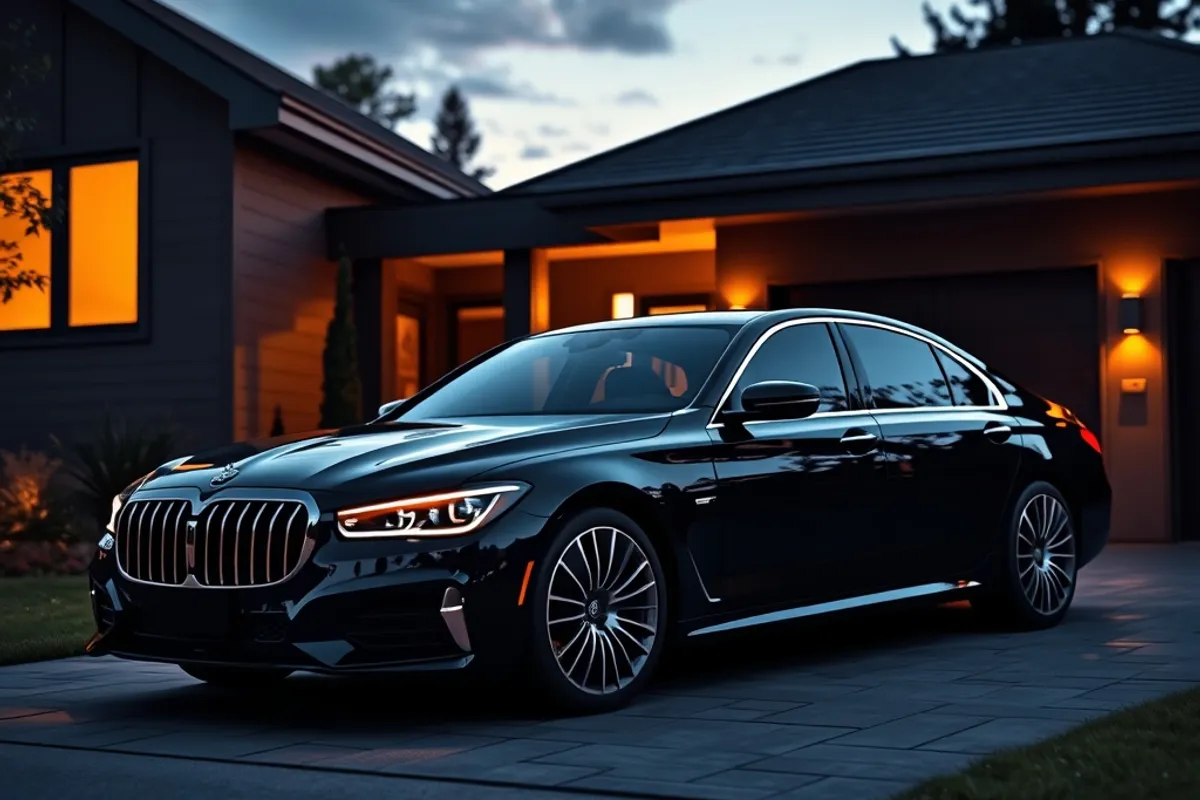
A luxury car can be bought for the price of a well-equipped family hatchback after three years of depreciation. The purchase is the easy part. The annual bill is where owners are surprised.
This guide breaks down the real running costs of premium ownership in 2026, shows which expenses scale with the badge, and explains how to budget before you sign.
Key facts
- Depreciation usually accounts for half the total cost of ownership.
- Tyres, brakes and suspension wear faster on heavy premium cars.
- Specialist labour rates can be double those of a mainstream workshop.
- Insurance and parts pricing rise sharply with model-specific equipment.
Contents
- What luxury ownership really costs
- Depreciation is the biggest line
- Servicing, parts and specialists
- Tyres, brakes and wear items
- Insurance, fuel and the daily costs
- Extended warranties and protection products
- Budgeting and deciding
What luxury ownership really costs
Start with the four big blocks: depreciation, finance, insurance and maintenance. On a new premium sedan, depreciation alone can exceed every other cost combined in the first three years.
The mistake is to budget only for the monthly payment. A realistic annual figure includes servicing, tyres, fuel, registration and a reserve for repairs once the warranty ends. Our certified pre-owned guide shows how buying used changes that arithmetic.
Depreciation is the biggest line
Premium cars often lose 50 to 60 percent of their value in the first three years. Options help at resale but rarely enough to recover their cost, and rare colours or unusual specifications can narrow the buyer pool.
The steepest drop happens early. Buying a two- or three-year-old example lets the first owner absorb that fall, provided the car has a full service history and no accident record.
Servicing, parts and specialists
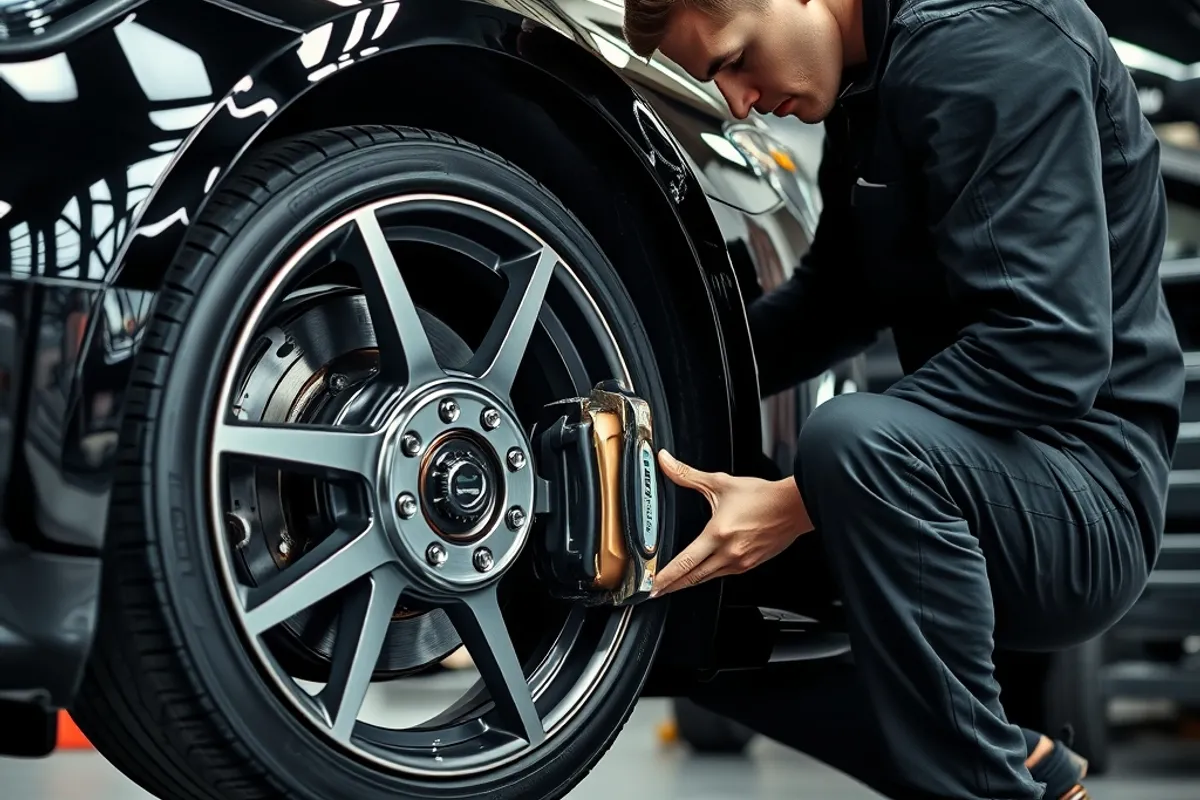
Mainstream servicing is priced around labour hours and parts. Premium brands add higher hourly rates, longer job times and components that are only sold as complete assemblies.
Independent specialists can cut routine costs substantially, but choose one with the diagnostic software and brand experience to match the car. A cheap service that misses a fault is not a saving.
Tyres, brakes and wear items
Large wheels and performance tyres are expensive to replace, and premium cars often wear them faster because of weight and power. A single set can cost more than a year of servicing on a small hatchback.
Brake discs and pads, suspension bushes and run-flat tyres all fall due at predictable intervals. Price a full wear-item cycle before buying so the first replacement does not arrive as a shock.
A luxury car is not expensive because of what it costs to buy. It is expensive because of what it costs to keep.
Insurance, fuel and the daily costs
Insurance is priced on repair cost, theft risk and the cost of courtesy cars. A model with expensive lights, sensors and aluminium body panels can carry a premium far above its purchase price suggests.
Fuel consumption matters more on larger engines, but the bigger daily surprise is often tyres and parking. Check the insurance premium guide before you assume a quote is typical for the model.
Extended warranties and protection products
Extended warranties vary enormously in what they exclude. Read the claim limits, the approved repairer network and the servicing conditions before paying for cover.
Paint protection, fabric treatments and wheel insurance are high-margin add-ons. They can be useful, but they should be priced separately and compared with paying for the same event yourself.
Budgeting and deciding
Add up depreciation, insurance, servicing, tyres, fuel and a repair reserve. Compare that annual total with what the car gives you in use, comfort and enjoyment rather than with the monthly payment alone.
If the total is comfortable, buy the best-maintained example you can find. If it is not, a less exotic model or a newer mainstream car will usually deliver more value per mile. For safety context, check NHTSA ratings for any shortlist.