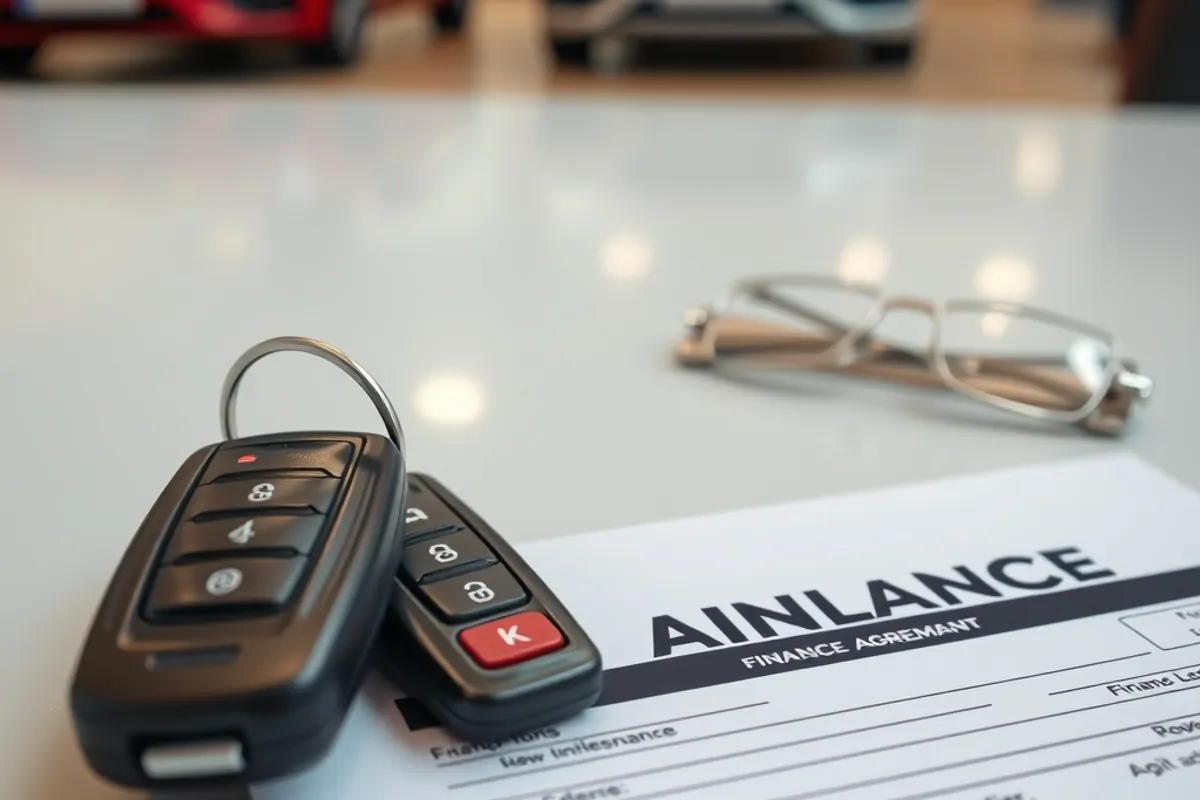
Car insurance has become one of the fastest-rising household costs. The reasons are structural: repairs cost more, courtesy cars cost more, and modern vehicles total more easily after a modest impact.
This guide explains what is driving premiums in 2026, which levers actually reduce a quote, and where cutting cover creates a risk you cannot afford.
Key facts
- Repair costs, not claim frequency, drive much of the increase.
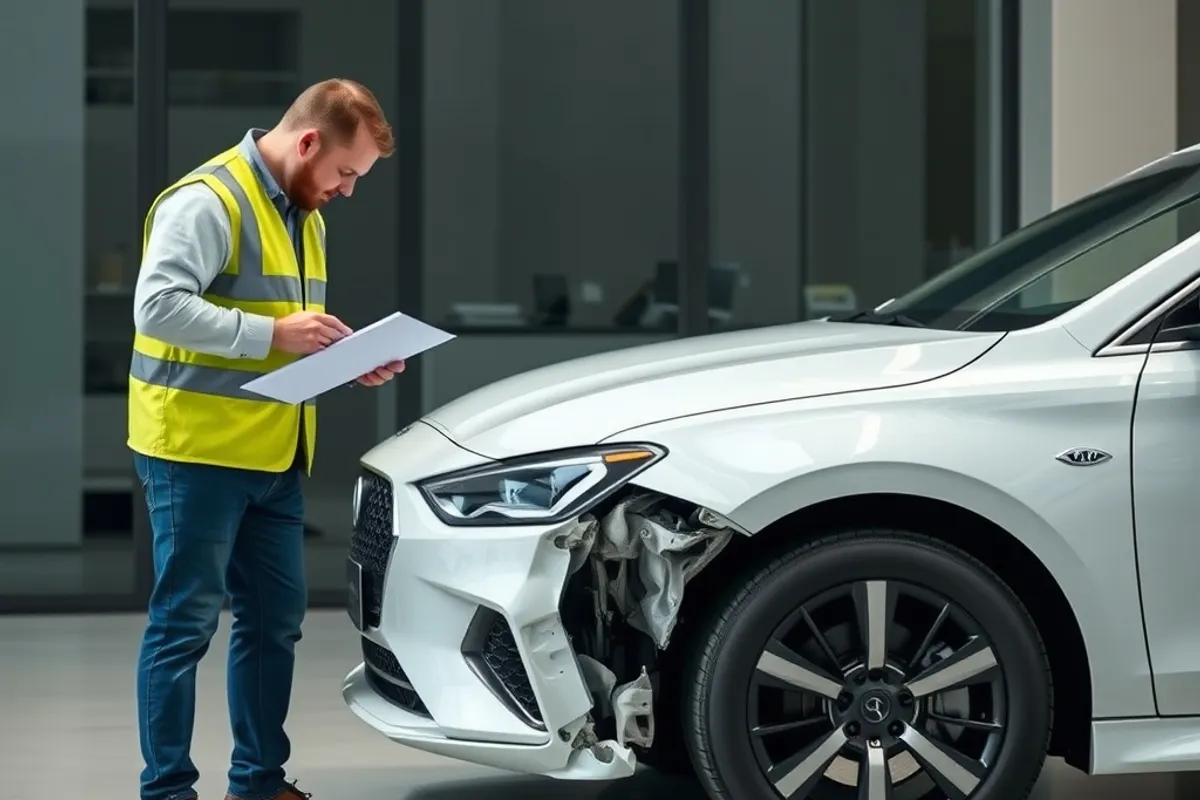
- Sensors and cameras make minor collisions expensive.
- Raising the excess lowers the premium but increases your exposure.
- Bundling and shopping at renewal remain the simplest savings.
Contents
- Why premiums keep climbing
- What actually moves your quote
- Practical ways to lower the premium
- Where not to cut
- Claims, no-claims and small repairs
- Telematics and usage-based cover
- Building a renewal routine
Why premiums keep climbing
Insurers price the expected cost of claims. Labour rates, parts prices and the complexity of modern bumpers, sensors and lamps have risen faster than general inflation.
Total losses have also increased. A relatively small impact can damage expensive safety systems, and repair costs can exceed the vehicle value sooner than they used to.

What actually moves your quote
Vehicle group, repair cost, theft risk, driver age, claims history and address all feed the calculation. Two cars with similar price tags can carry very different premiums.
Usage matters too. Annual mileage, commuting use and whether the car is garaged overnight can change the price more than loyalty discounts.

Practical ways to lower the premium
Shop around at every renewal, not every third year. Loyalty is rarely rewarded, and the same details can produce significantly different quotes.
Consider a higher voluntary excess only if you could comfortably pay it. Bundle home and car cover where the discount is genuine, and ask about low-mileage or telematics policies if you drive less than average.
Where not to cut
Do not remove cover you may need to protect other people. Third-party liability is the part that prevents a claim from becoming a personal financial disaster.
Check whether a cheaper policy uses non-original parts, limits choice of repairer or excludes courtesy cars. These differences matter at claim time, not at purchase.
The cheapest policy is the one that pays when you need it. Everything else is just a lower number on a renewal letter.
Claims, no-claims and small repairs
A no-claims discount can take years to rebuild. For a small scrape, paying yourself may cost less over several renewal cycles than making a claim.
That said, never avoid a claim that involves injury, a third party or a safety system. The financial and legal exposure is larger than the premium increase.

Telematics and usage-based cover
Usage-based policies price risk from driving behaviour or mileage. Careful drivers can save, but the discount is not guaranteed and the data conditions matter.
Read how the insurer uses the data, whether the policy renews at a fixed rate and what happens if your mileage rises. A cheap first year can become an expensive second.
Building a renewal routine
Start shopping about three weeks before renewal. Gather your policy documents, confirm the named drivers and check the vehicle details are accurate.
Review cover every year as your circumstances change. For guidance on consumer rights and complaints, see the Insurance Information Institute.