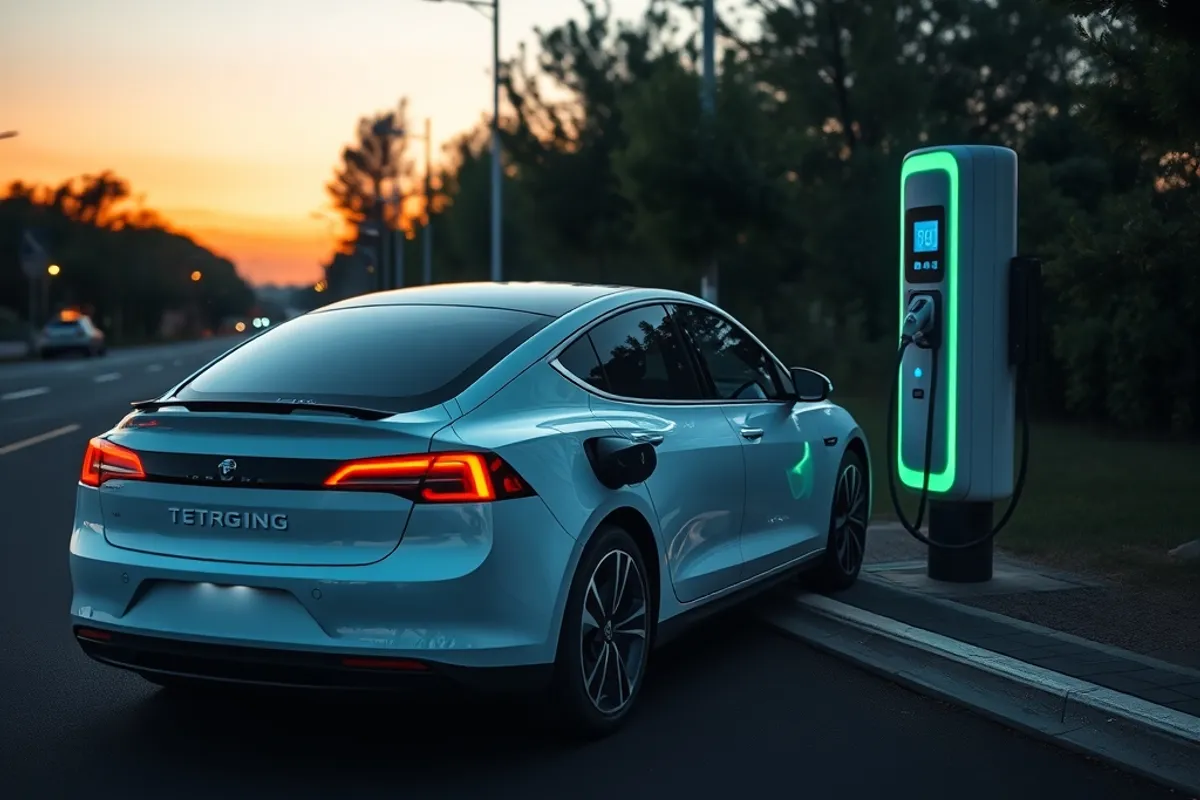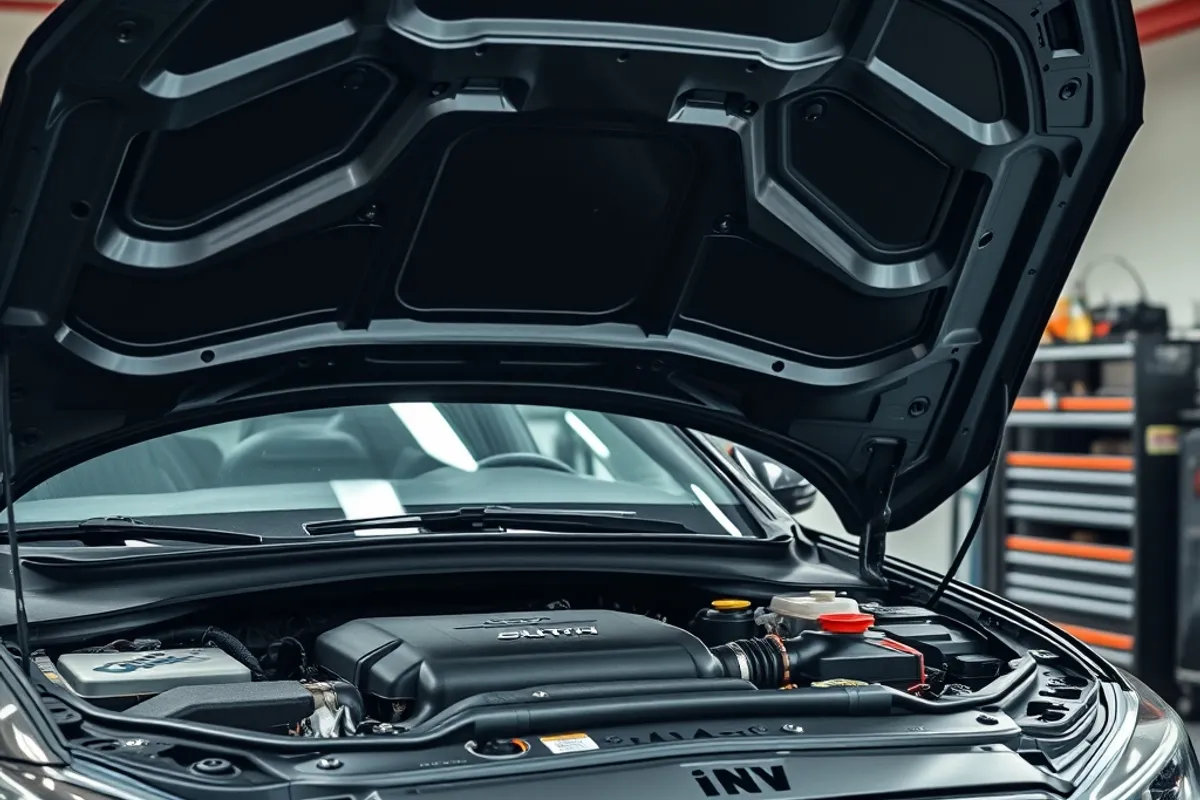
Cars are becoming computers with wheels. Software now controls everything from braking feel to battery management, and manufacturers can change it after you buy.
That shift brings genuine benefits, but it also raises questions about subscriptions, repair access and how long a car stays supported. This guide explains what owners should ask before signing.
Key facts
- Over-the-air updates can fix faults without a workshop visit.
- Some features are licensed rather than sold outright.
- Repair access depends on diagnostic tools and software permissions.
- Support duration is becoming part of resale value.
Contents
- What software-defined actually means
- Over-the-air updates
- Subscriptions and feature licensing
- Repair access and right to repair
- Data, privacy and consent
- Support life and resale value
- Questions to ask before buying
What software-defined actually means
In a software-defined car, features are controlled by central computers and code rather than separate physical switches and modules. The hardware may support a function that is activated later by a licence.
This architecture allows updates, remote diagnostics and new features. It also concentrates control in the manufacturer ecosystem.

Over-the-air updates
Updates can improve efficiency, fix bugs and add features. They can also change how the car drives or what it displays, sometimes without a visit to a dealer.
Read the release notes and check whether you can defer an update. A poorly timed update before a long trip is inconvenient at best.
Subscriptions and feature licensing
Some manufacturers charge monthly for features such as advanced driver assistance, remote start or heated seats. The hardware is present, but the function is enabled by subscription.
Before buying, ask which features are included for the life of the car and which expire. A low purchase price can hide years of recurring charges.

Repair access and right to repair
Independent workshops need diagnostic software and access to service information. Some manufacturers restrict this, which can limit choice and raise costs.
Ask whether the car can be serviced outside the dealer network without losing warranty protection. Consumer law in many regions protects the right to use independent repairers.
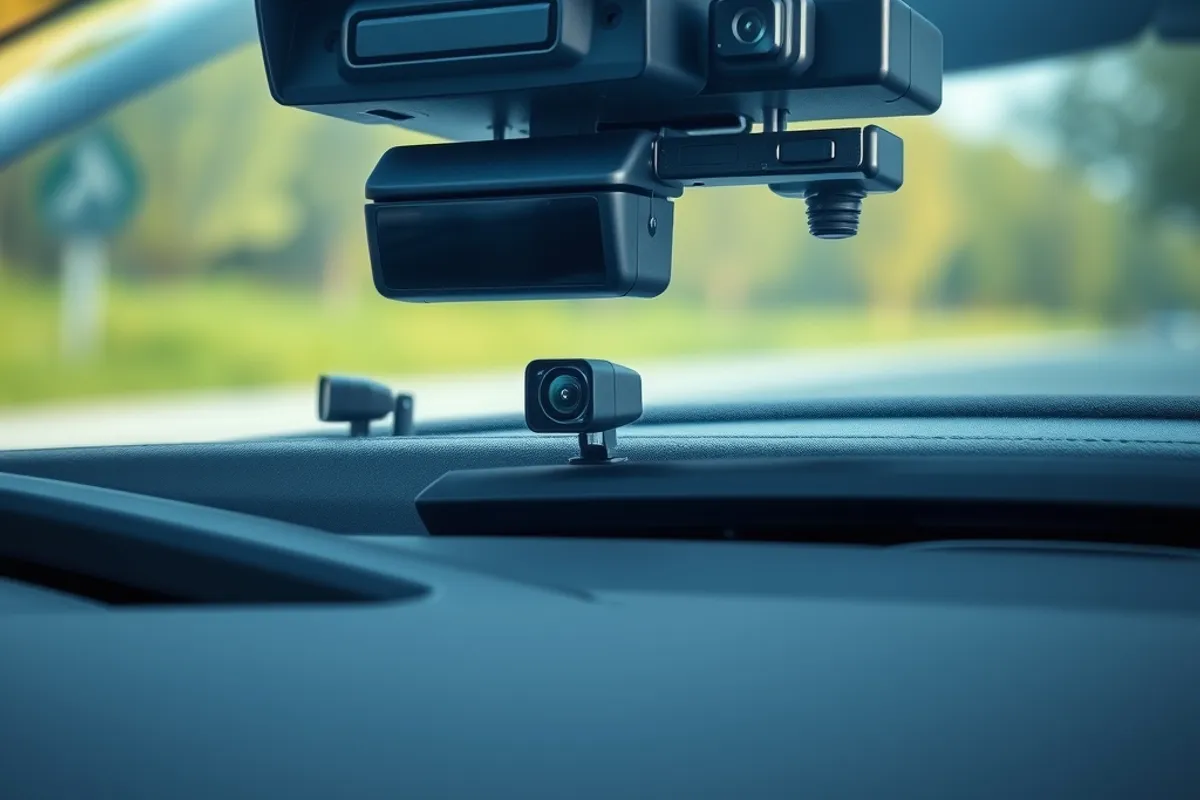
You used to buy a car and own every function in it. Now you buy a licence and hope the terms stay friendly.
Data, privacy and consent
Connected cars collect location, driving behaviour and camera data. The terms you accept at setup may allow sharing with partners.
Review the privacy settings and ask what data is transmitted. For general consumer guidance, see the FTC.
Support life and resale value
A car that stops receiving software support may lose access to features or security patches. That affects both usability and resale value.
Ask how long the manufacturer will provide updates for your model and whether the connected services require a paid plan after the initial period.

Questions to ask before buying
Ask what is included, what is subscription-based, how long updates last and whether independent repair is possible. Get the answers in writing where you can.
The technology is improving quickly, but ownership terms have not caught up. For engineering standards context, see SAE International.