Certified pre-owned programmes promise a safer way into a premium car. The warranty is real, but so is the premium, and not every programme inspects the same things to the same standard.
This guide explains what certification typically includes, how to compare it with a private sale, and the questions that reveal whether the cover is worth paying for.
Key facts
- Certification is only as strong as the inspection behind it.
- Warranty exclusions matter more than the headline term.
- A CPO premium of 10 to 20 percent is common.
- An independent pre-purchase inspection still adds value.
Contents
- What certified pre-owned means
- The inspection and the warranty
- The premium versus a private sale
- Reading the service history
- Test drive and independent inspection
- Finance and insurance considerations
- When CPO makes sense
What certified pre-owned means
A CPO car has usually passed a manufacturer-defined inspection, has a clean history, falls within an age and mileage limit, and carries an extended warranty backed by the brand.
The details differ by programme. Some cover only powertrain components, while others approach a bumper-to-bumper policy. Ask for the actual booklet, not the sales summary.
The inspection and the warranty
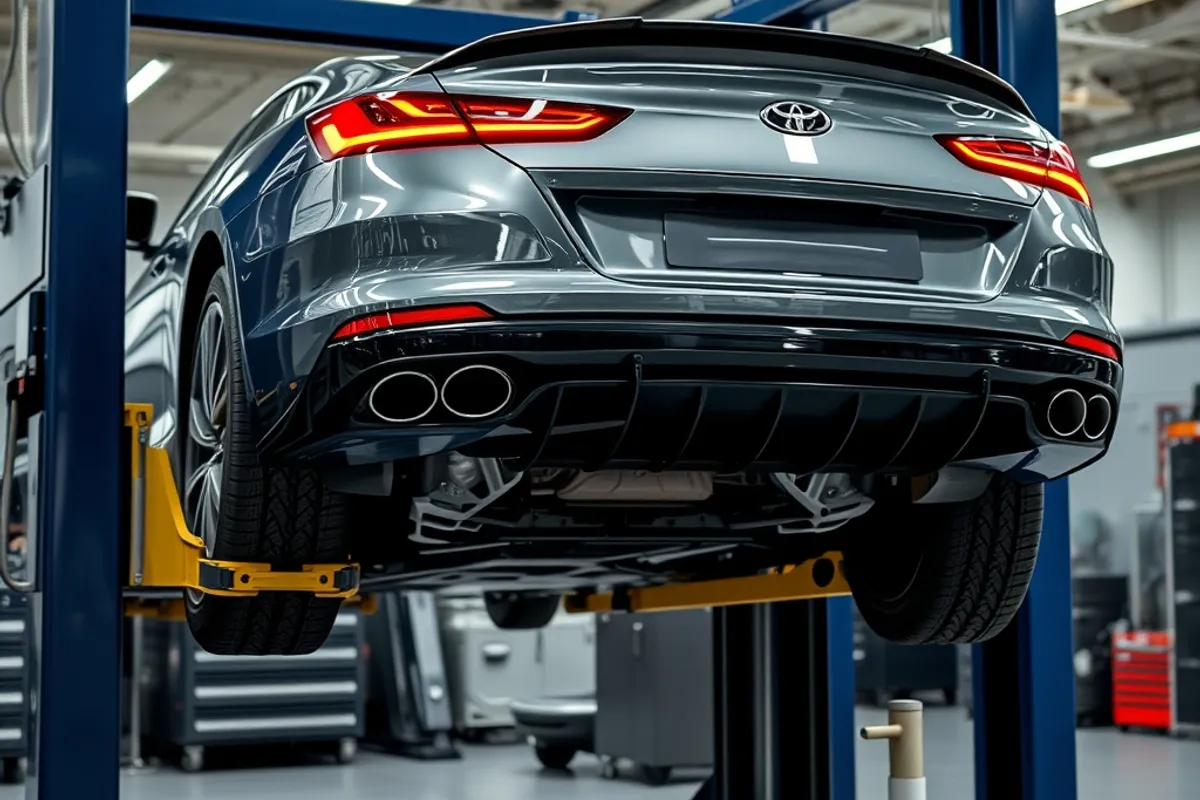
Ask what the inspection checks and whether you can see the report. A genuine multi-point check should include diagnostics, brake and tyre measurements, fluid condition and a road test.
Then read the warranty terms: deductible, claim limit, approved repairers and exclusions. Wear items such as tyres, brakes and wipers are normally excluded, and cosmetic faults rarely qualify.

The premium versus a private sale
CPO cars typically cost more than an equivalent private example. Part of that is the warranty, part is reconditioning, and part is the convenience of buying from a dealer.
Value the warranty honestly. Estimate the cost of a major repair and the likelihood of one occurring during the cover period. If the premium is smaller than that expected exposure, certification is easier to justify.

Reading the service history
A full main-dealer history is the strongest signal on a premium car. Look for regular servicing at the correct intervals and evidence that scheduled items were actually completed.
Gaps or repeated late services are a warning, even on a low-mileage car. Our service interval guide explains which jobs cannot be skipped without risking expensive damage.
A certificate is a promise. Read the promise before you pay for it.
Test drive and independent inspection
Drive the car from cold, on a route that includes low-speed manoeuvres and a stretch of faster road. Listen for suspension noise, feel for transmission hesitation and test every electronic feature.
Even with certification, an independent inspection by a marque specialist is cheap insurance. It can reveal accident repair, kerbed wheels or faults that a dealer check overlooked.

Finance and insurance considerations
Compare dealer finance with a bank or credit union before agreeing. The rate, term and fees matter more than the monthly figure, and early repayment penalties can erase a low headline rate.
Check insurance quotes before purchase. A CPO car with expensive optional equipment may cost more to insure than the same model in a lower specification.
When CPO makes sense
Certification is most valuable on complex, repair-prone models and for buyers who want a single point of accountability. It is less compelling on simple, reliable cars with strong independent support.
If you keep the car beyond the warranty period, the value shifts toward long-term condition and service history. For broader safety data, see the IIHS crash test results for your shortlist.