Service schedules are written to protect the car over a long life, not to match the way most people actually drive. Short trips, traffic and long periods parked all change what matters.
This guide explains how intervals are built, which items genuinely cannot wait, and how to read a garage quote without assuming every line is essential.
Key facts
- Oil degrades with time as well as distance.
- Brake fluid absorbs moisture and should be tested.
- Short urban trips count as severe use in most schedules.
- Manufacturer schedules are a minimum, not a target for neglect.
Contents
- How service intervals are built
- Oil and filters
- Brakes, tyres and safety items
- Fluids, filters and the long list
- Short trips and severe use
- Reading the quote
- Building a simple maintenance plan
How service intervals are built
Manufacturers set two kinds of interval: distance and time. A car that covers few miles still needs annual attention because oil, brake fluid and coolant age even when they are not circulating.
Many schedules also define severe-use conditions. Frequent short journeys, heavy traffic, towing and dusty environments all shorten the interval for oil and filters.
Oil and filters
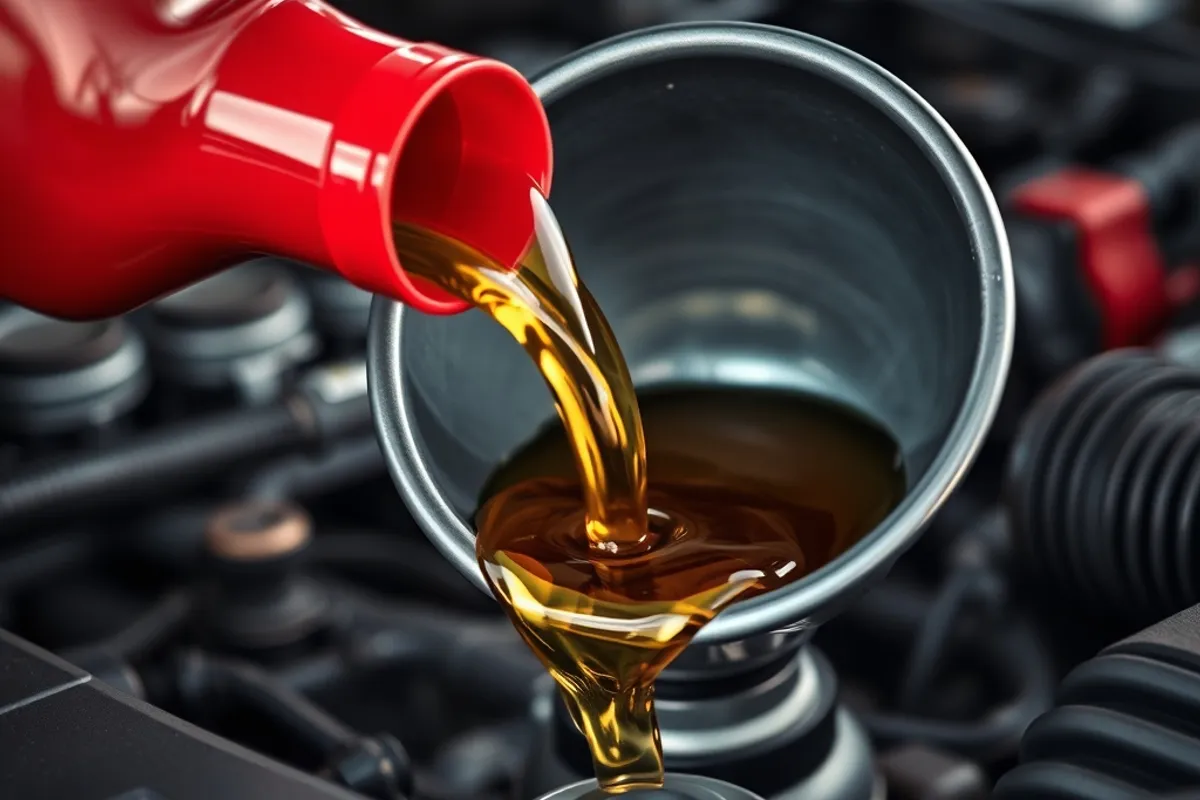
Engine oil is the most important routine item. It lubricates, cools and carries contaminants to the filter. Old oil stops protecting the engine long before the dashboard warns you.
Use the specification in the handbook rather than whatever is cheapest in the shop. The wrong viscosity or approval can affect variable valve timing, turbo protection and emissions equipment.

Brakes, tyres and safety items
Brake pads, discs, tyres and suspension should be measured rather than judged by feel. A pad with 3 mm remaining is not urgent, but it is close enough to plan for.
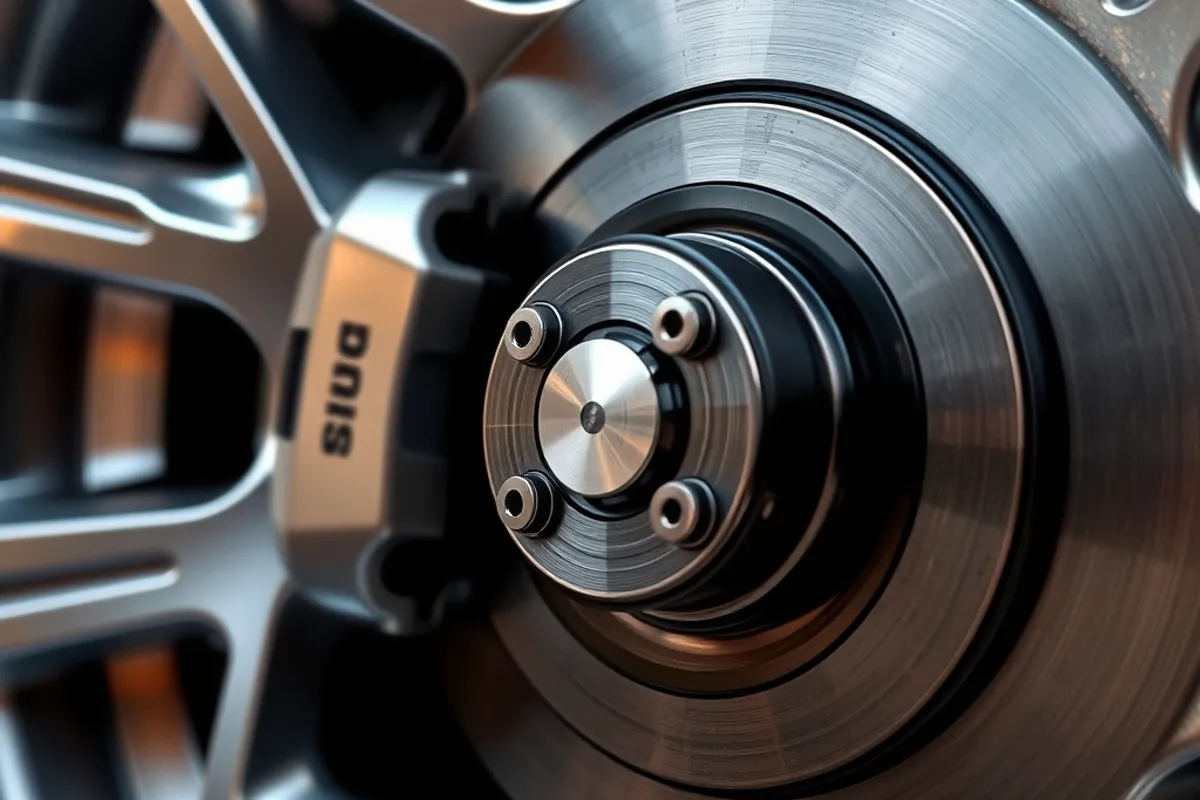
Brake fluid absorbs moisture over time and lowers its boiling point. A simple test at service time is more reliable than waiting for a soft pedal. Our brake guide covers the replacement signs in detail.
Fluids, filters and the long list
Coolant, transmission fluid, brake fluid and cabin filters have their own intervals. Some are genuinely long-life, while others depend on use and climate.
Ask for the manufacturer schedule for your exact model and engine. A garage quoting a generic package may be adding work your car does not need, or missing something it does.
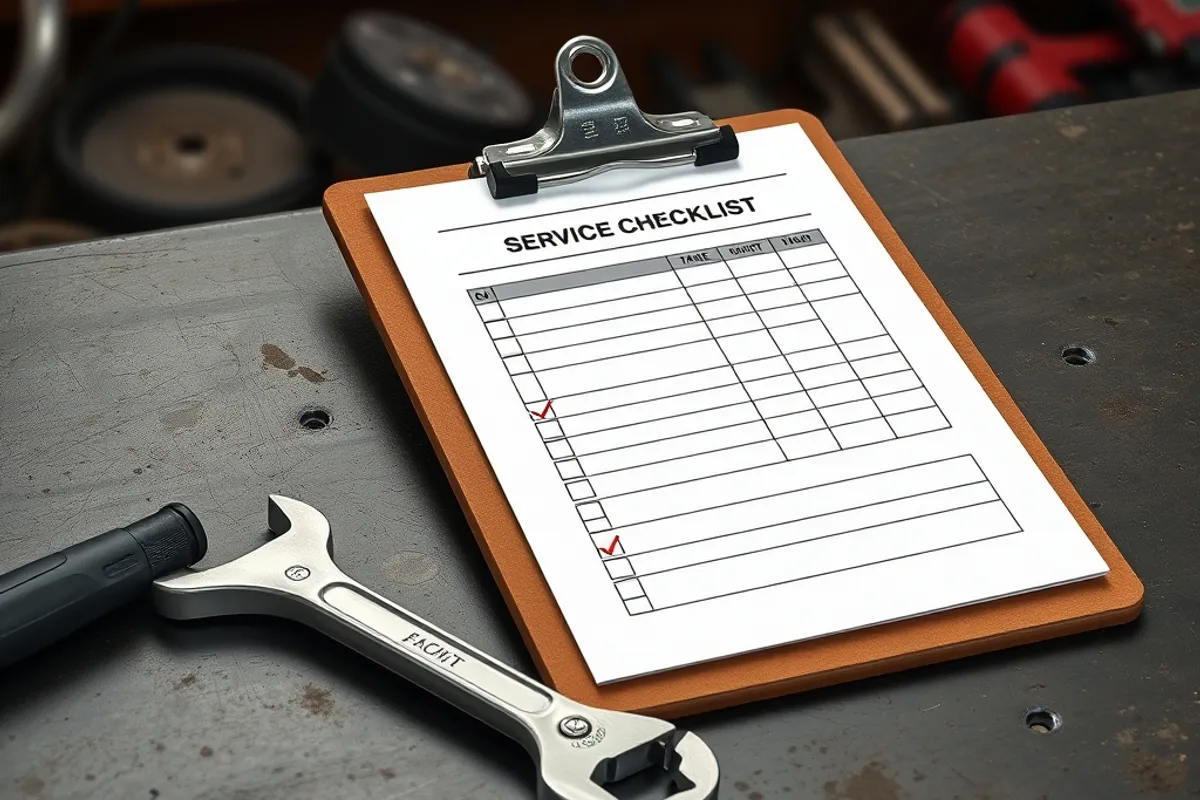
The service book tells you the maximum interval. Your driving tells you whether that interval is realistic.
Short trips and severe use
Repeated short journeys never let the engine reach full temperature. Moisture and fuel dilute the oil, and the exhaust system stays cold and corroded.
If most of your driving is urban and brief, follow the severe-use interval or change oil annually, whichever comes first. A monthly longer drive helps, but it does not replace maintenance.
Reading the quote
A good quote separates inspection, replacement and repair. Ask which items were measured and what the measurements were. Fluids and filters are easy to justify; flush additives and mystery treatments usually are not.
Approving work in stages keeps control. Safety items come first, then items that protect the engine or transmission, then cosmetic and convenience work.
Building a simple maintenance plan
Keep a folder of invoices and note the date and mileage of each service. That record protects resale value and helps the next mechanic understand the car.
Set a reminder for the annual service even if the mileage is low. For fuel-saving context, see the Department of Energy guidance on efficient driving and maintenance.