A first motorcycle should make you a better rider, not scare you into putting it away. The wrong bike can turn enthusiasm into a repair bill or a lost season.
This guide covers engine size, weight, used-versus-new maths, safety gear and the inspection checklist that matters before you hand over cash.
Key facts
- A lightweight 300 to 500 cc bike is enough for beginners.
- Used bikes avoid the first depreciation hit but need inspection.
- Gear costs should be part of the total budget.
- Abs and good tyres are worth more than extra power.
Contents
- Choose the right size
- New or used
- The inspection checklist
- Safety gear is part of the budget
- Insurance and running costs
- Practice and training
- Buying day checklist
Choose the right size
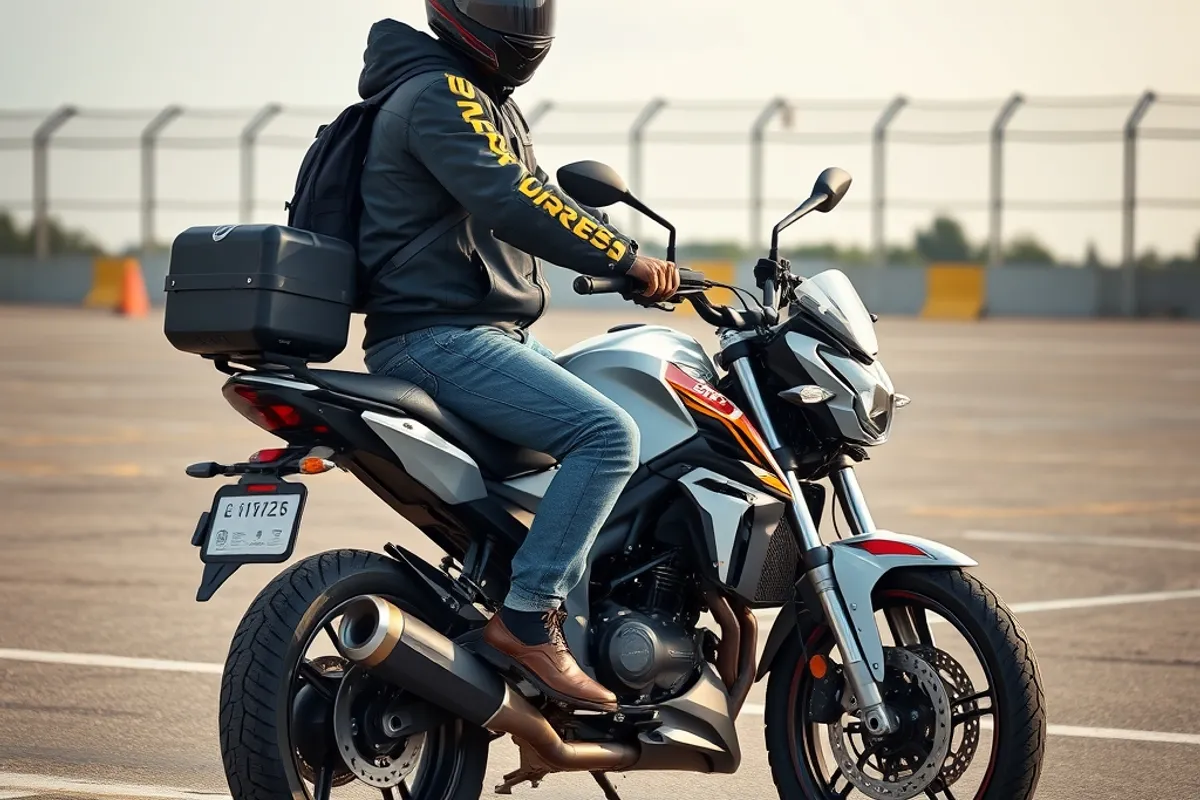
For most beginners, a 300 to 500 cc bike with 30 to 45 horsepower is plenty. It is light enough to manage at low speed and powerful enough to keep up with traffic.
Seat height and weight matter more than the badge. Sit on several bikes and, if possible, move them around a car park before deciding.
New or used
New bikes offer a warranty and known history, but the first owner absorbs depreciation. Used bikes are cheaper, though condition and paperwork matter more than mileage.
A lightly used beginner bike is often the best value. Avoid project bikes and anything with unclear ownership or accident damage.
The inspection checklist
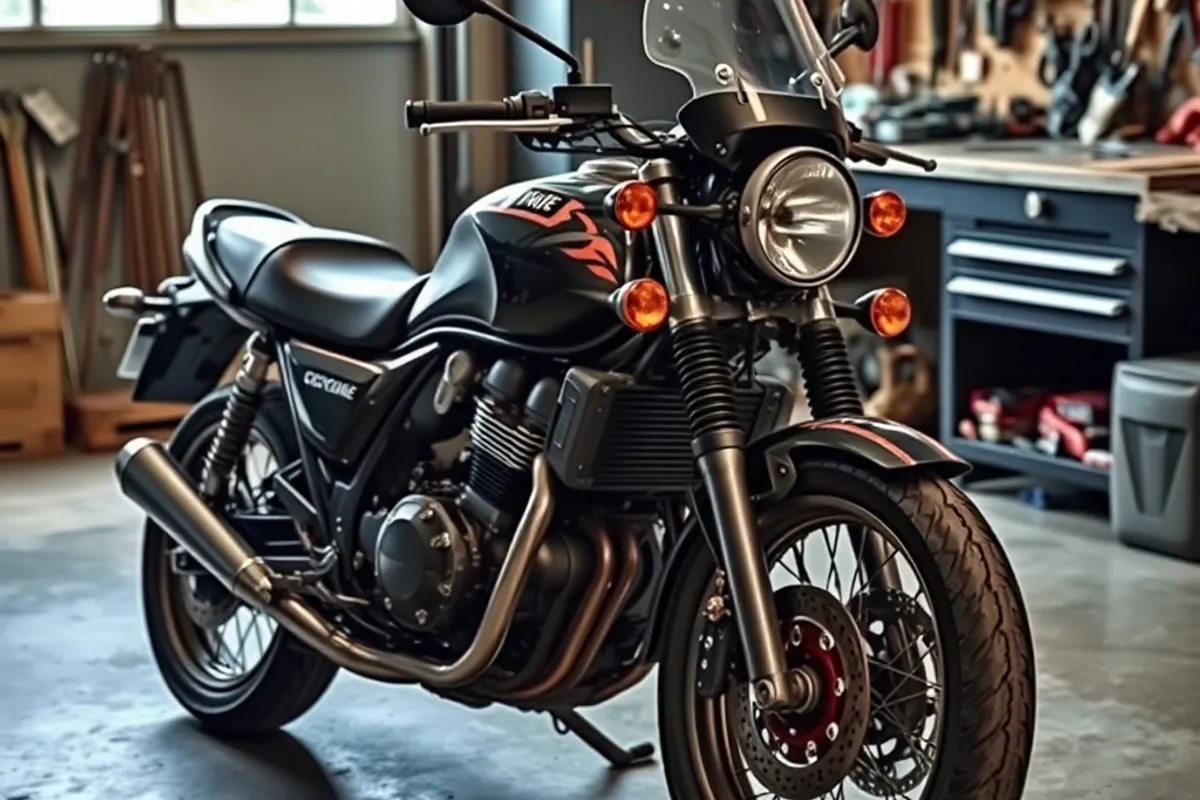
Check tyres for cracks and date codes, brake pads for thickness, and the chain for tight spots and rust. Look for leaks around the forks, engine cases and brake calipers.
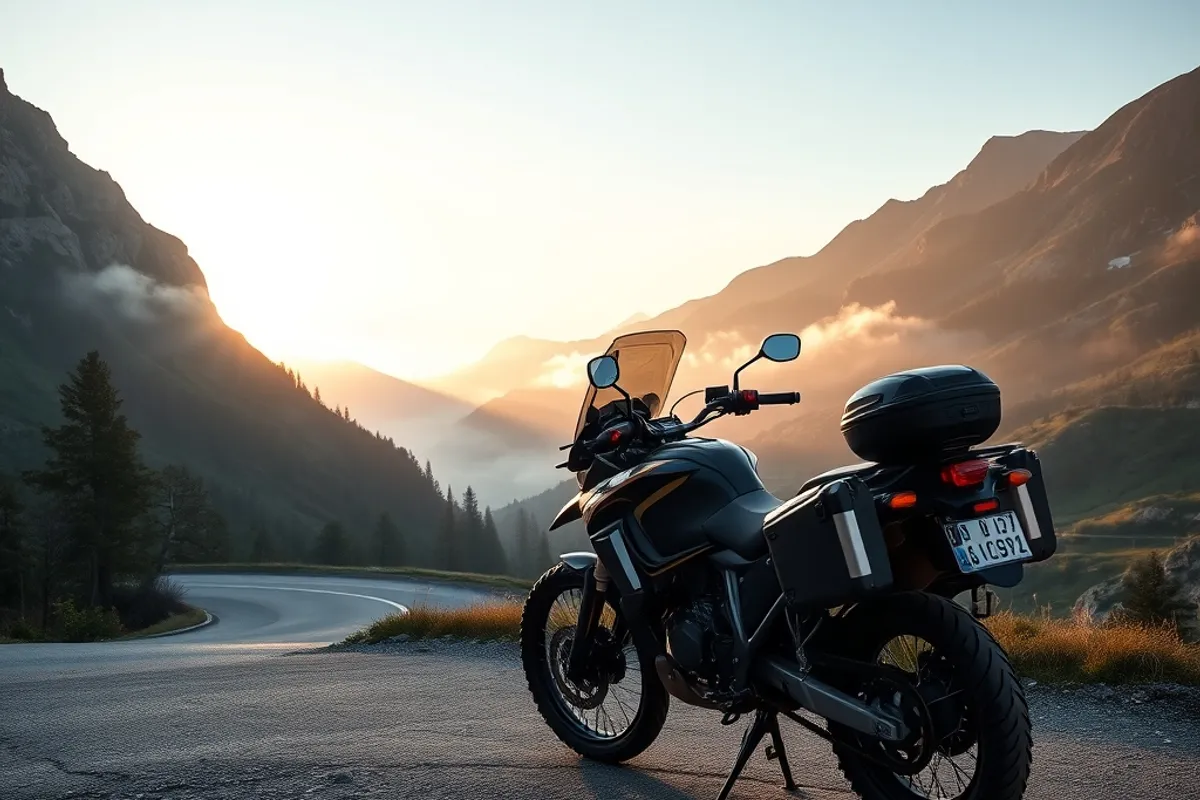
Sit on the bike and move the handlebars lock to lock. Check the steering head for notchiness and the frame for signs of impact repair. Our adventure bike guide explains why weight and suspension matter on larger machines.
Safety gear is part of the budget
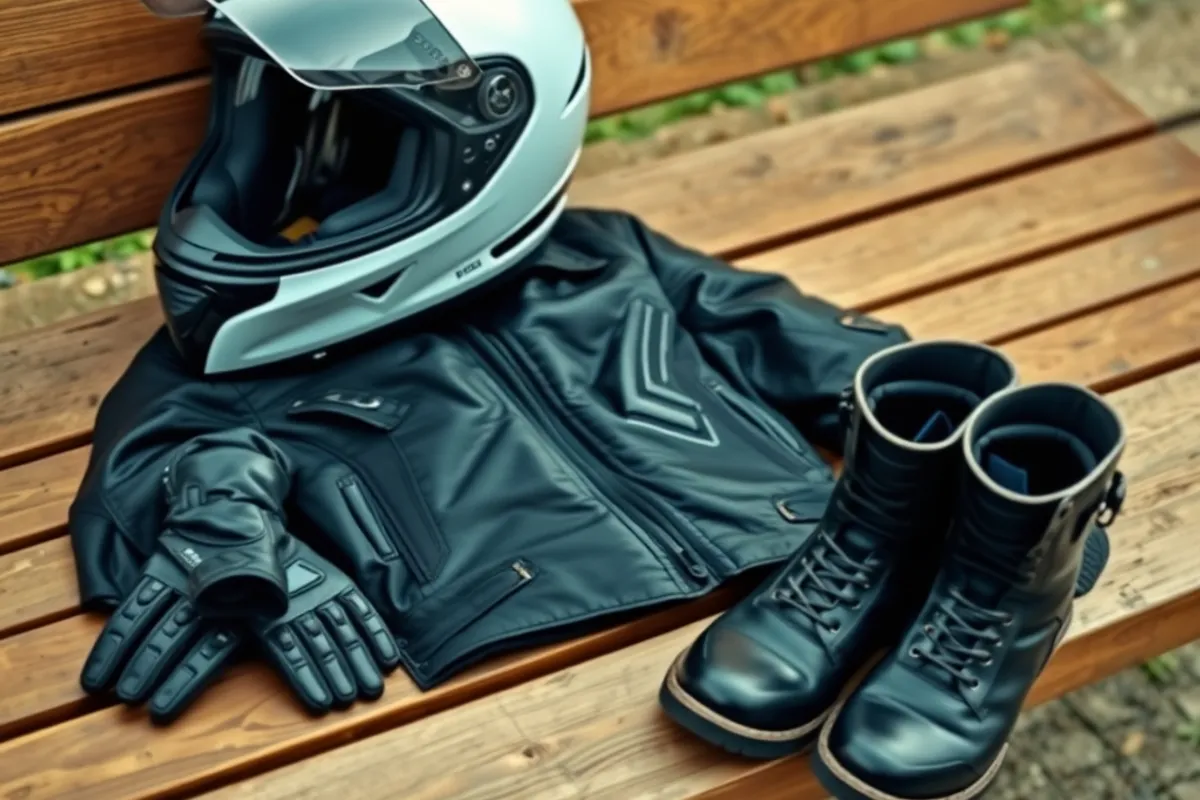
Helmet, gloves, jacket, boots and eye protection are not optional accessories. Buy a helmet that fits properly and meets a recognised safety standard.
Protective gear is cheaper than a hospital visit and reduces the fear that makes new riders hesitate. Set a gear budget before you fall in love with a bike.
Your first bike is a teaching tool. Buy the one that lets you learn quickly and safely.
Insurance and running costs
Get insurance quotes before buying. Engine size, bike value, theft risk and your riding history all affect the premium, and a cheap bike can still be expensive to insure.
Budget for tyres, chain and sprockets, servicing and gear. A motorcycle is not a car, but it still needs regular maintenance to stay safe.
Practice and training
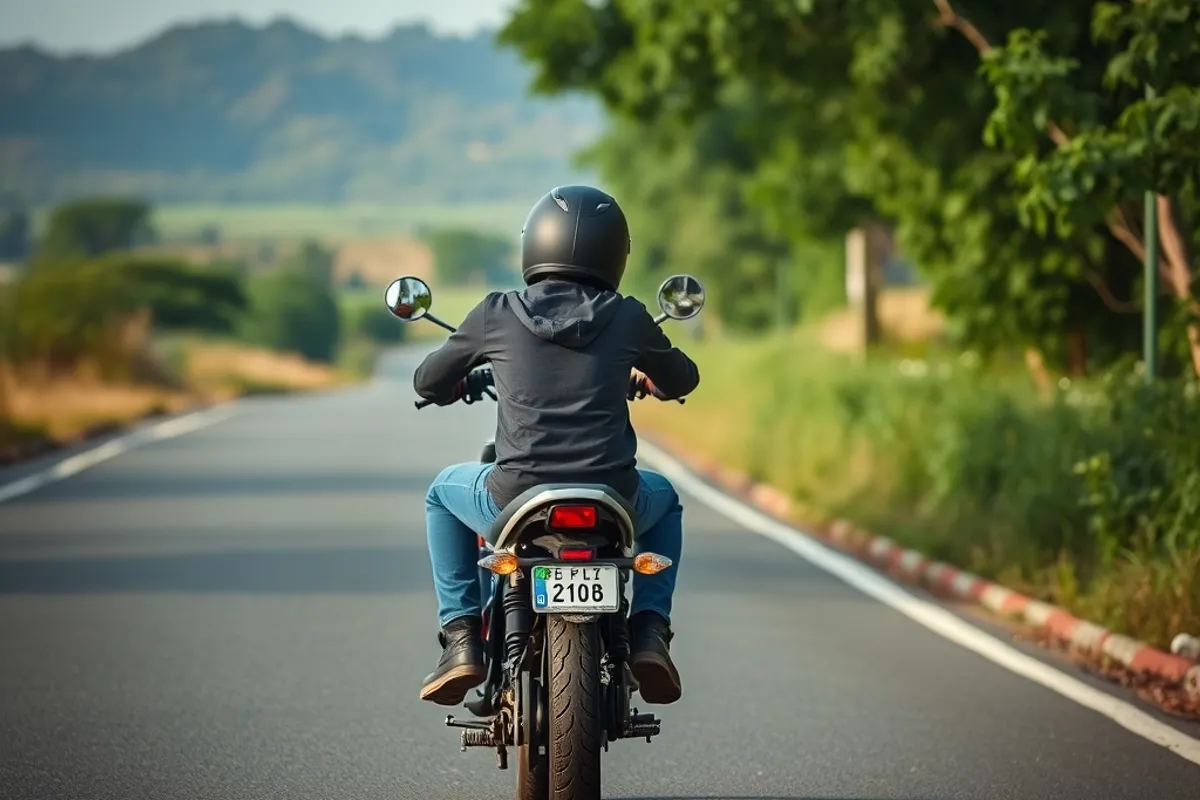
A formal training course teaches low-speed control, emergency braking and observation skills that are hard to learn alone. Many insurers reward completion.
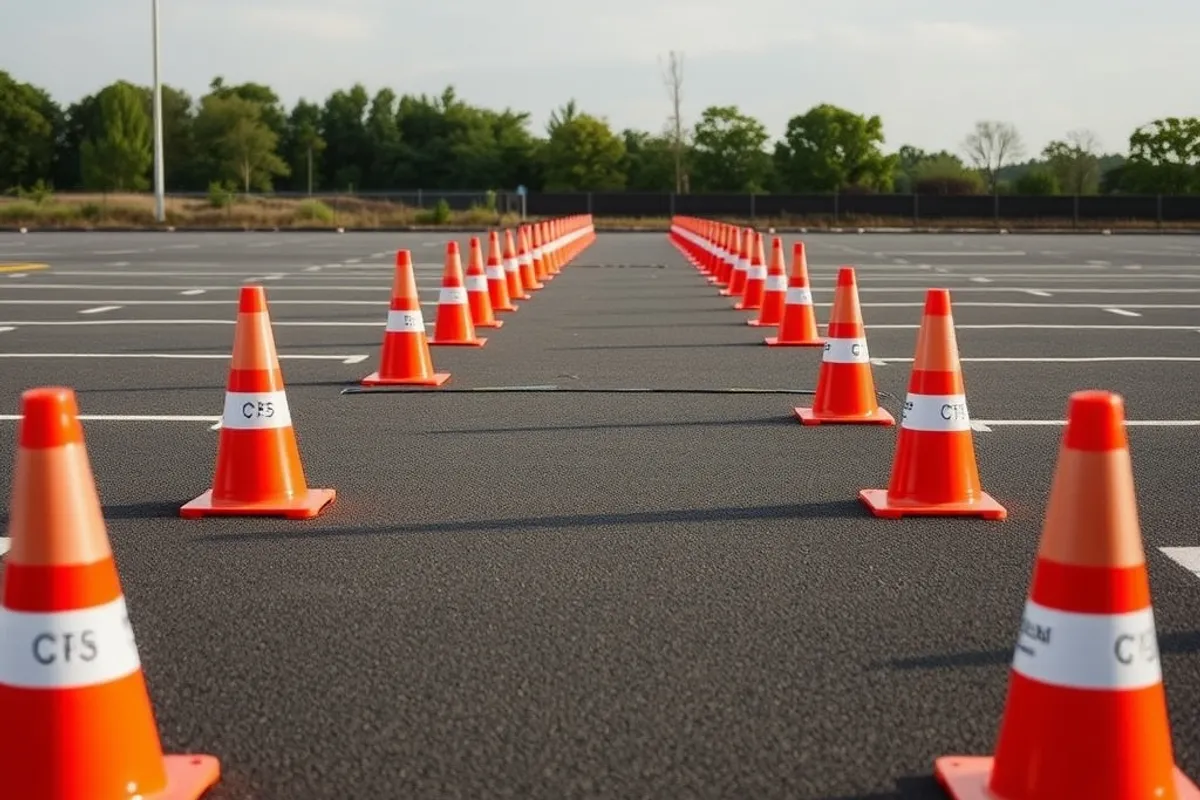
Practise in an empty car park before riding in traffic. Build confidence in stages, and avoid carrying a passenger until you are comfortable with the bike.
Buying day checklist
Bring a knowledgeable friend, check the frame and engine numbers match the paperwork, and confirm there is no outstanding finance. Test ride only if you are licensed and insured.
Walk away if the seller rushes you or the story does not add up. For training and safety resources, see the Motorcycle Safety Foundation.