Electric cars have rewritten the usual depreciation maths. Rapid technology changes, incentive shifts and price cuts on new models have pushed used values down faster than many buyers expected.
This guide explains the forces behind EV depreciation, the factors that support resale, and how to structure a purchase around the loss rather than the sticker price.
Key facts
- Battery technology and new-model price cuts hit used values.
- Service history and battery health reports support resale.
- Charging speed and range matter more than age alone.
- Leasing can transfer residual-value risk to the funder.
Contents
- Why EV values fall faster
- Battery health and the real risk
- Which models hold value
- The incentive effect
- Buying to minimise the loss
- Running costs and total ownership
- A realistic buying framework
Why EV values fall faster
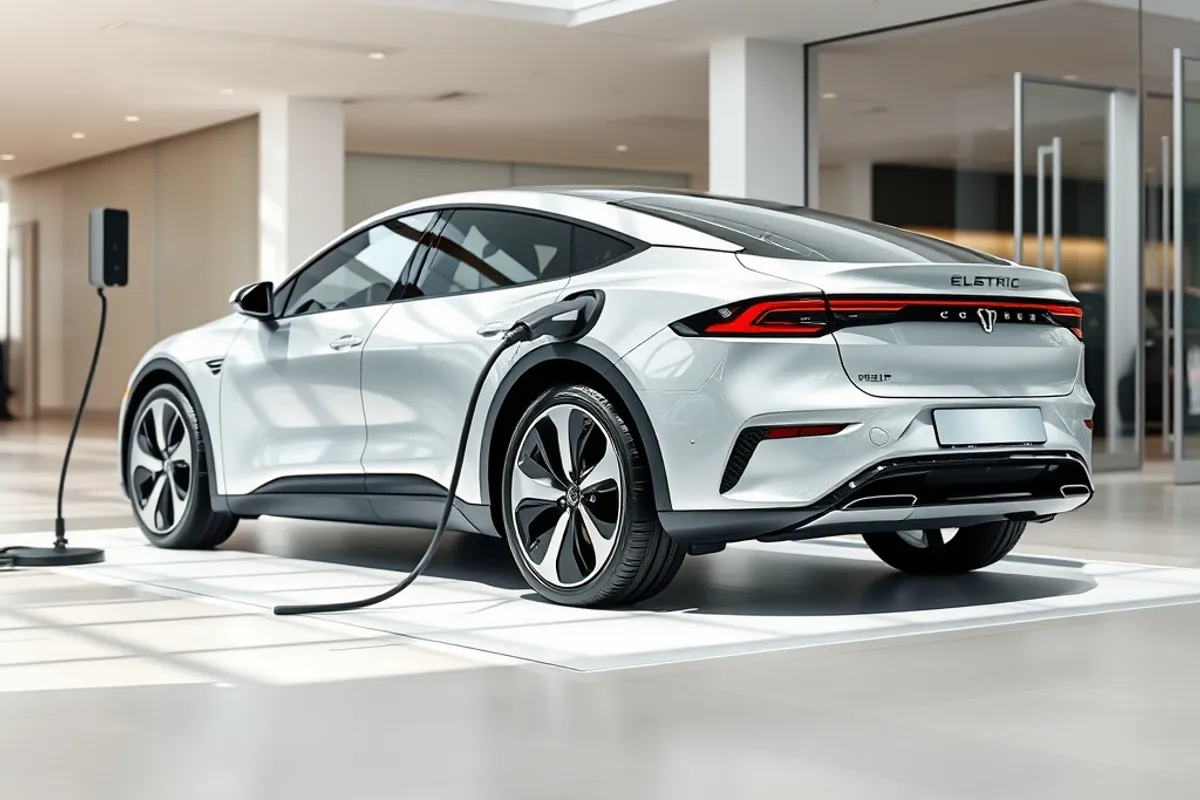
New EV prices have fallen as competition and battery costs changed. When a new car gets cheaper or gains more range, the used version loses appeal.
Technology cycles are shorter than in combustion cars. A three-year-old EV may lack the charging speed, driver assistance or infotainment of the current model.
Battery health and the real risk
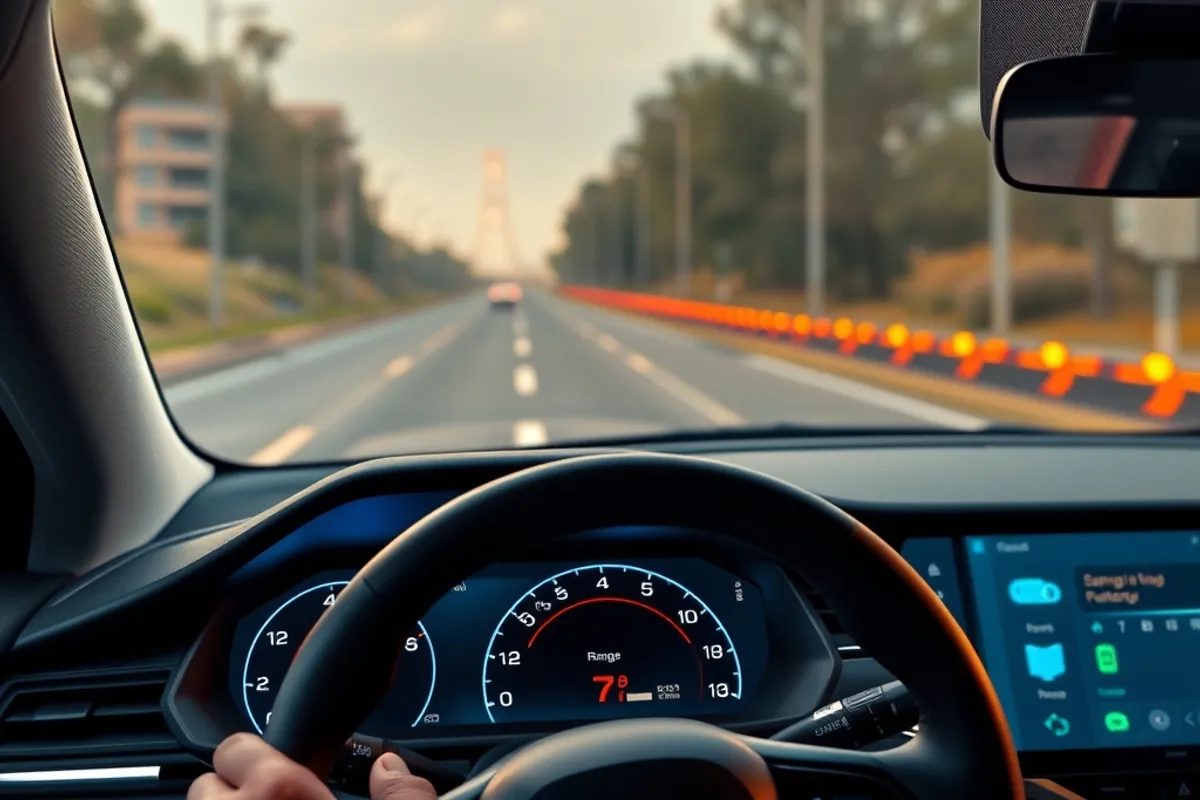
Battery degradation is gradual and usually less dramatic than early predictions suggested. But a battery that has been repeatedly fast-charged or left at extreme temperatures may age faster.
Ask for a state-of-health report and check the warranty terms. Most manufacturers guarantee the battery for eight years or a set mileage, but the threshold for replacement matters.
Which models hold value
Models with strong demand, practical range and a good charging network tend to hold value better. Limited editions and niche vehicles can be volatile.
Brand reputation for software updates and service support also affects resale. A car that still receives meaningful updates feels current for longer.
The incentive effect
Purchase incentives reduce the effective new price, which can pull used values down. When incentives change, the used market adjusts quickly.
Check whether incentives apply to used purchases in your region. A used EV may qualify for a smaller credit, changing the true cost of ownership.
An electric car is a computer with wheels. Its value tracks the pace of the next update.
Buying to minimise the loss
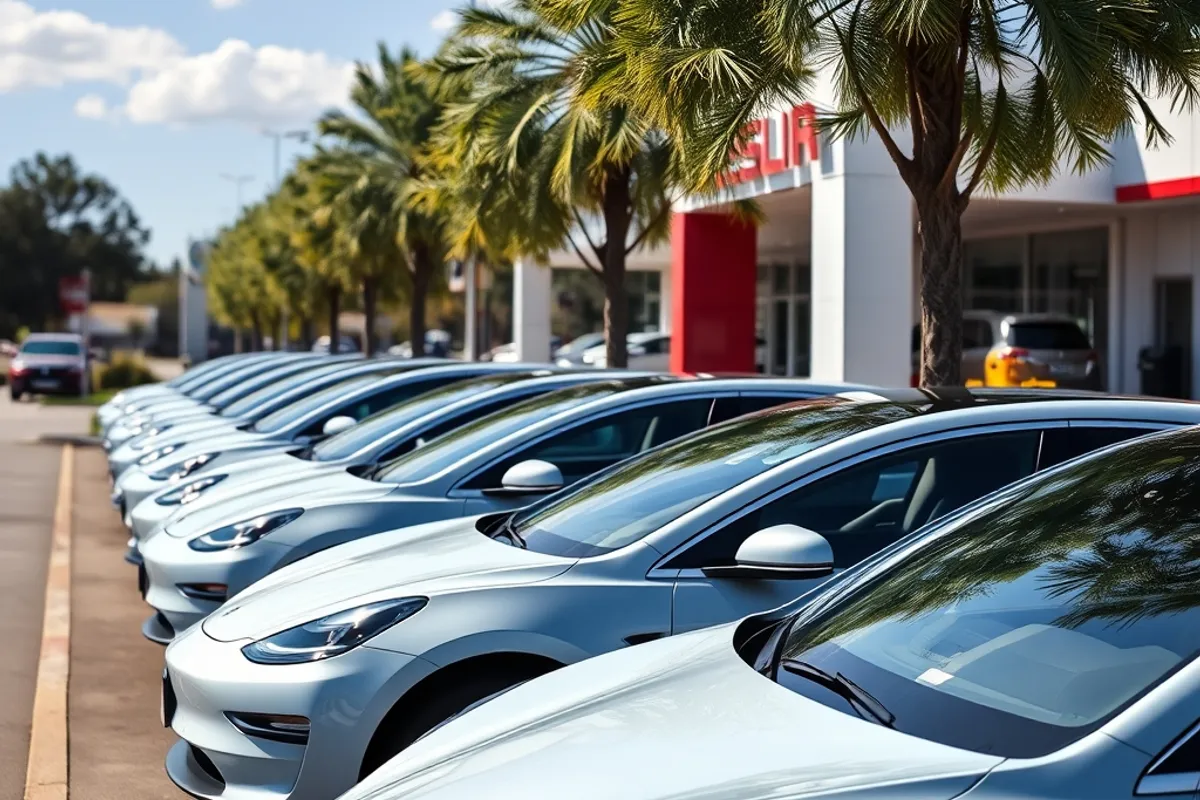
Buying a two- or three-year-old EV lets the first owner absorb the steepest fall. Choose a model with a reliable battery, strong software support and a realistic range for your use.
Leasing is worth considering if residual values are uncertain. You pay for the depreciation you use and hand back the risk at the end.
Running costs and total ownership
Lower fuel and servicing costs can offset a larger depreciation hit, but only if you drive enough. Do the maths on your annual mileage and home charging access.
Insurance and tyre costs can be higher than expected because EVs are heavy and often fitted with expensive low-rolling-resistance tyres.
A realistic buying framework
Estimate the value in three and five years, then add finance, insurance, charging and servicing. Compare that total with a comparable petrol or hybrid car over the same period.
Check official efficiency and range data at the Department of Energy, then discount it for your climate and driving style.