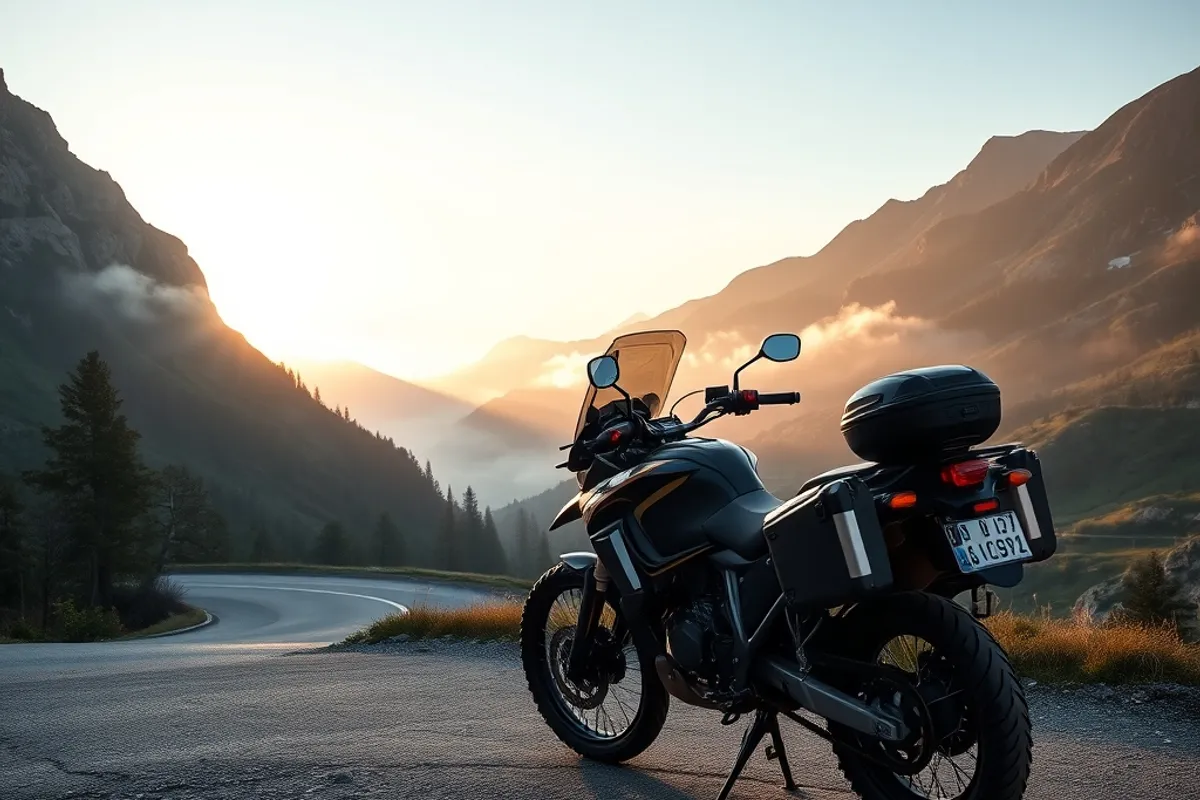
Midweight adventure bikes promise touring comfort, light off-road ability and sensible running costs. In practice, the class spans machines that are brilliant on gravel and others that are really tall road bikes.
This guide explains the numbers that matter, the features worth paying for, and how to match a bike to the riding you actually do.
Key facts
- Weight matters more than horsepower off-road.
- Seat height and centre of gravity decide real confidence.
- Cruise control and tubeless tyres are genuine touring wins.
- Service costs and tyre life vary widely across the class.
Contents
- What midweight really means
- Engine and power delivery
- Weight, seat height and confidence
- Suspension and wheels
- Comfort and touring equipment
- Running costs and reliability
- Choosing for your riding
What midweight really means
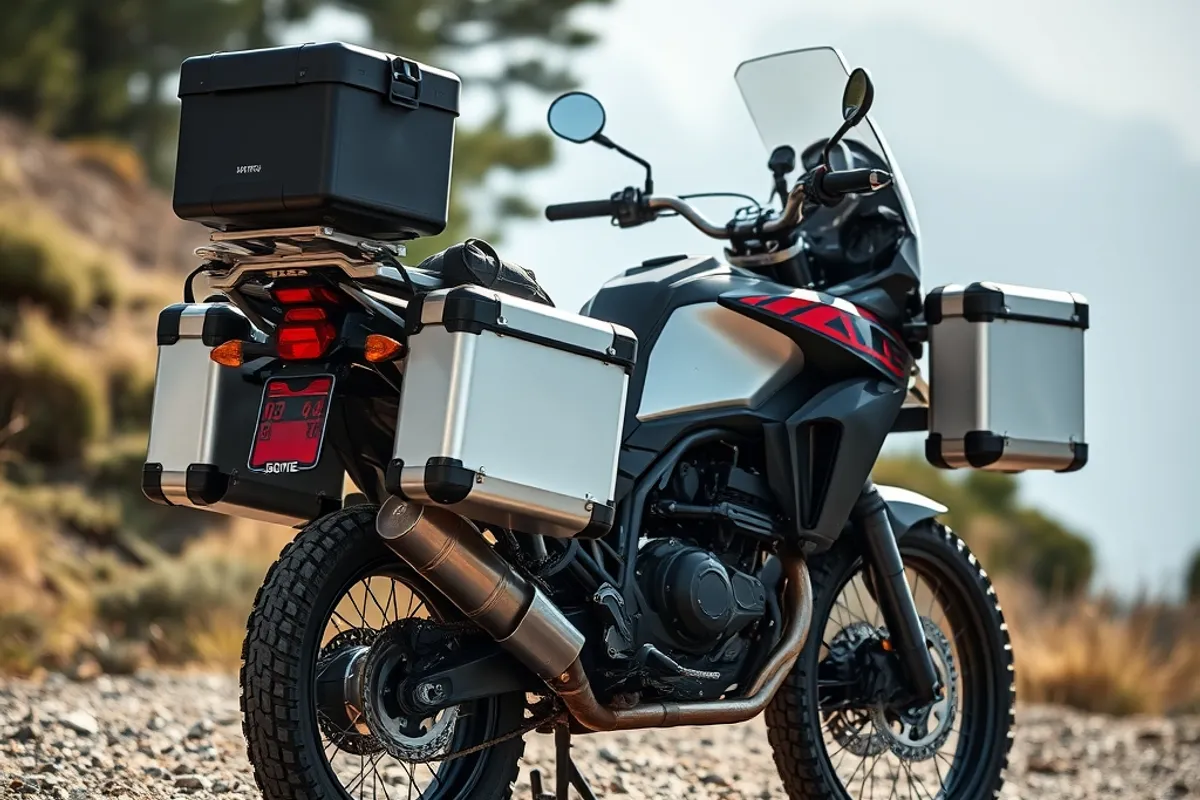
In 2026 the class runs from about 400 to 900 cc, with weights from roughly 170 to 230 kg. The engine size matters less than how the bike carries its mass and how manageable it feels at low speed.
A lighter bike with a lower centre of gravity will often be faster and safer on a gravel track than a heavier machine with more power.
Engine and power delivery
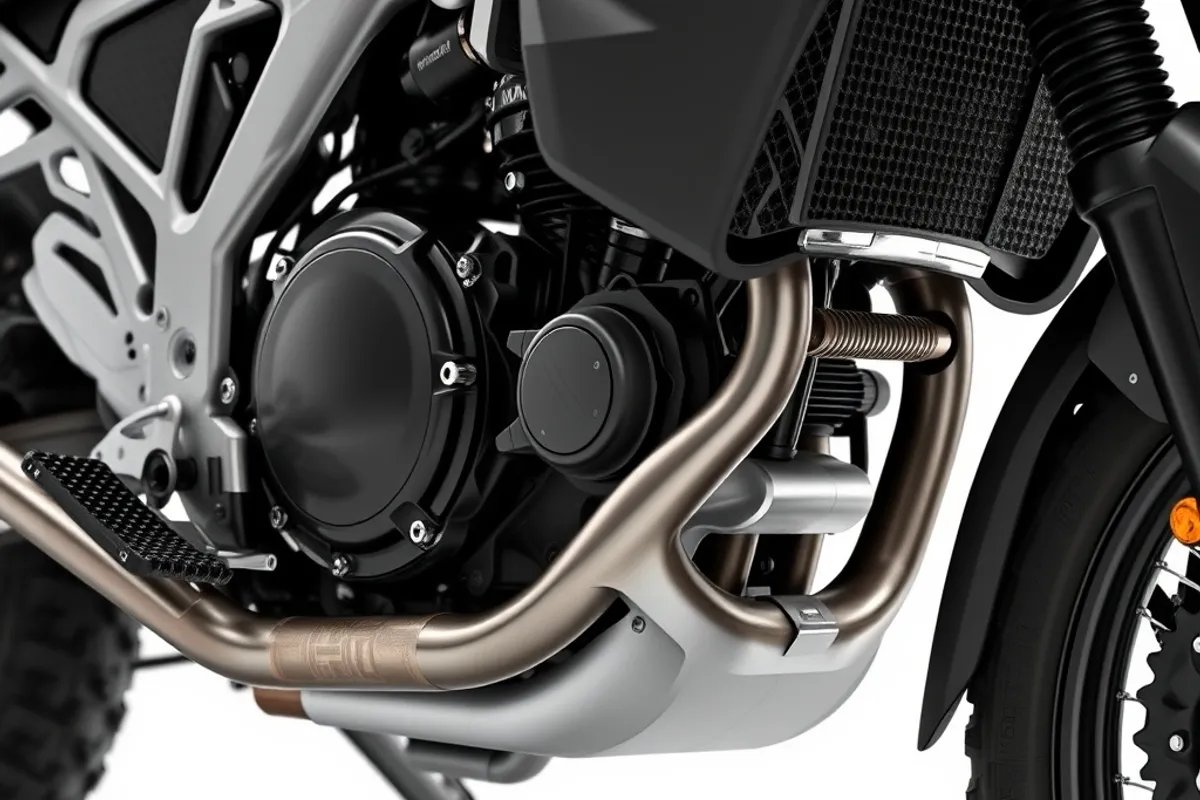
Parallel twins dominate the class because they are compact, affordable to service and smooth enough for long days. Singles suit lighter bikes and tighter budgets but can feel busy at highway speed.
Look for smooth low-rev torque rather than a peak figure. On loose surfaces, a predictable throttle is worth more than an extra 10 horsepower.
Weight, seat height and confidence
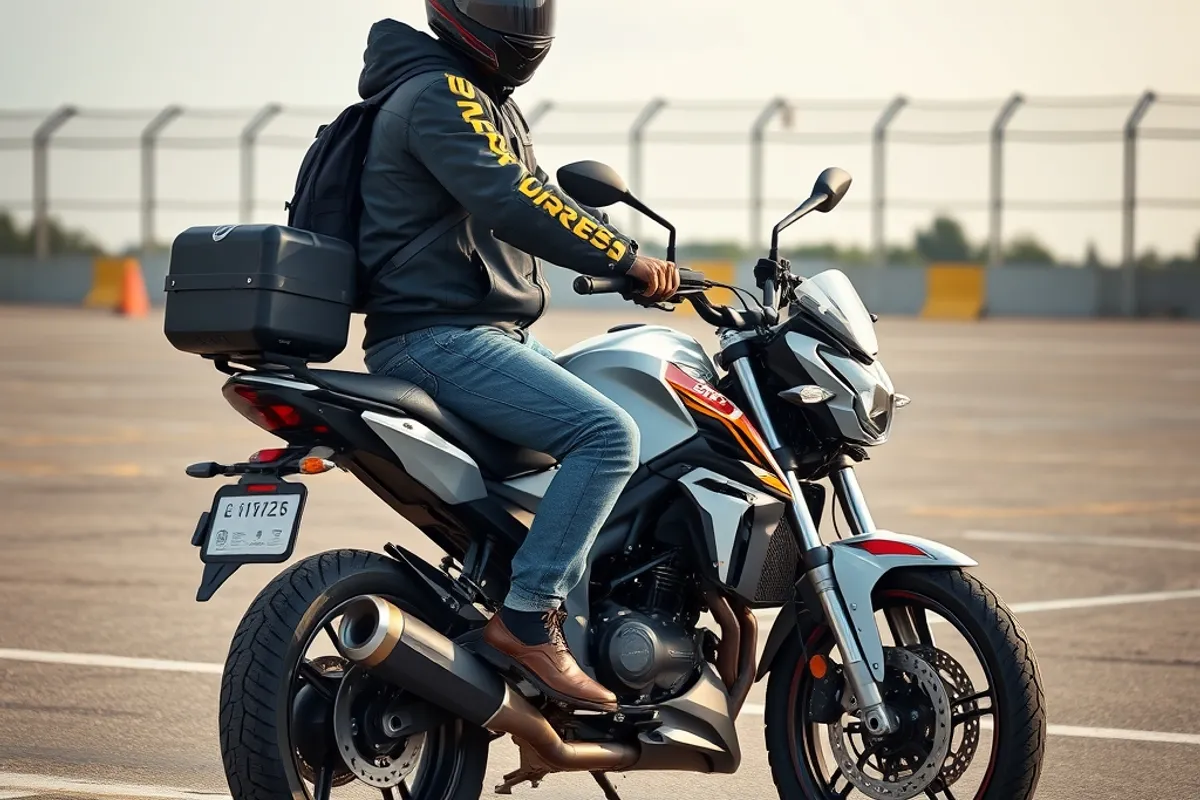
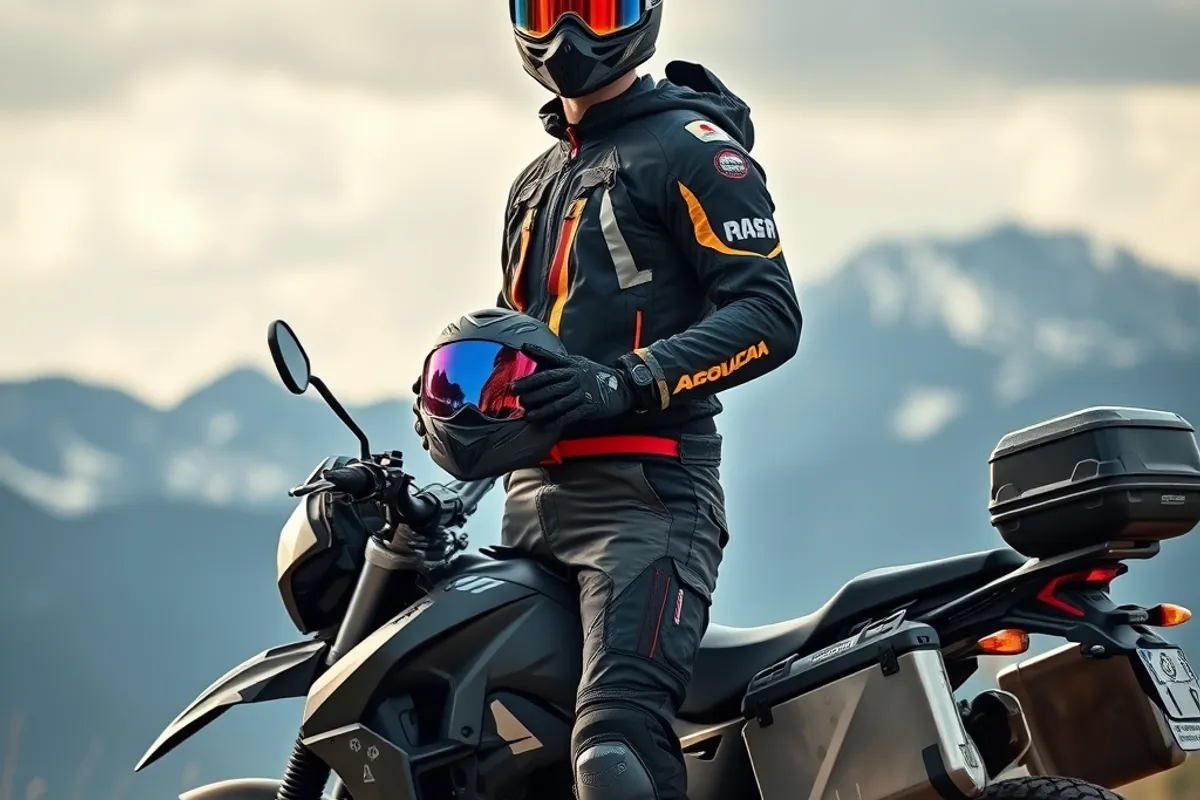
Seat height gets the attention, but seat width and suspension sag decide whether you can flat-foot the bike. Loaded luggage changes the equation again.
Sit on the bike with your usual gear and, if possible, test it with a full tank. A bike that feels tall in the showroom becomes tiring after a long day.
Suspension and wheels
Adjustable suspension is worth having if you ride two-up or carry luggage. Cheap suspension can be reworked, but the cost should be part of your budget.
Tubeless tyres make roadside repairs easier, while spoked wheels absorb impacts better. The right compromise depends on how much genuine off-road riding you plan.
The best adventure bike is the one you can pick up, turn around and ride home after a bad decision.
Comfort and touring equipment
Wind protection, a comfortable seat and a relaxed riding position decide whether a bike is a good tourer. Cruise control is a real benefit on long motorway stages.
Check the size and accessibility of the luggage options. Factory panniers are convenient but can be expensive and narrow. Aftermarket racks often offer more flexibility.
Running costs and reliability
Ask about valve clearance intervals, oil capacity and tyre life. A bike with long service intervals can be cheaper to own than one with a lower purchase price.
Check dealer and parts support in your area. A brilliant bike with no local backup becomes frustrating when a small part takes weeks to arrive.
Choosing for your riding
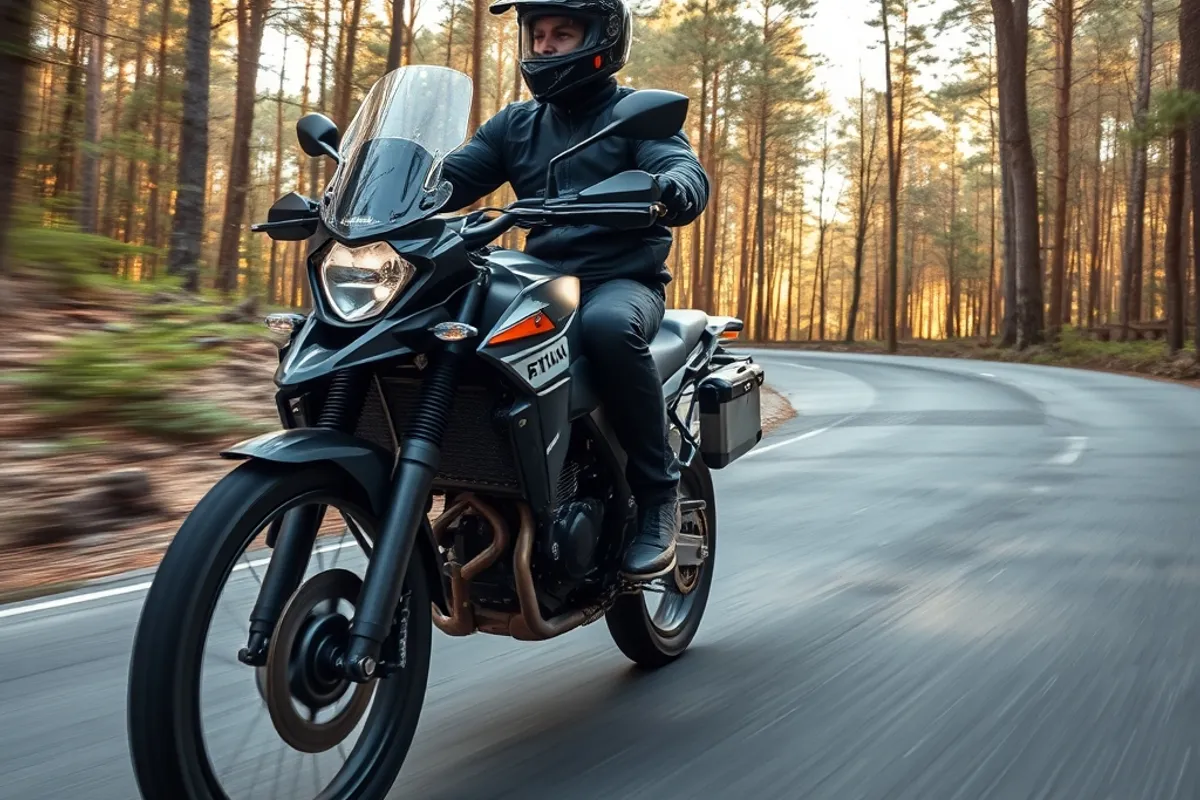
Be honest about the split between commuting, touring and trails. If most rides are paved, a road-biased adventure bike with good wind protection will be more enjoyable.
If gravel is a regular destination, prioritise weight, suspension travel and tyre choice. Take a training course before testing limits; the Motorcycle Safety Foundation is a good starting point.