Brakes are the one maintenance item where guessing is not acceptable. Yet plenty of drivers replace pads early while ignoring a scored rotor or a seized caliper that will ruin the new parts.
This guide explains how pads and rotors wear, which symptoms need immediate attention, and how to judge a brake quote on evidence rather than fear.
Key facts
- Most pads start with 10 to 12 mm of friction material.
- Replacement is usually due around 3 mm remaining.
- Grooves and heat cracks can condemn a rotor before its thickness limit.
- A seized caliper destroys pads unevenly and quickly.
Contents
- How pads wear
- Reading the warning signs
- Rotors, thickness and condition
- Pads and rotors together
- Calipers, hoses and fluid
- How to judge a quote
- Bedding in and long-term care
How pads wear
Brake pads convert motion into heat through friction. City driving with frequent stops wears them faster than steady highway miles, and a heavy car or a loaded vehicle accelerates the process.
Wear should be even side to side. A pad worn much faster on one wheel points to a sticking caliper, a collapsed hose or a sliding pin that needs attention.
Reading the warning signs
Squealing under light braking can be a wear indicator, while grinding usually means metal is contacting metal. A soft or long pedal suggests a hydraulic problem, not just worn pads.
Pulsation through the pedal often comes from uneven pad deposits or a warped rotor. Vibration under braking should be diagnosed rather than assumed to need a full replacement.
Rotors, thickness and condition
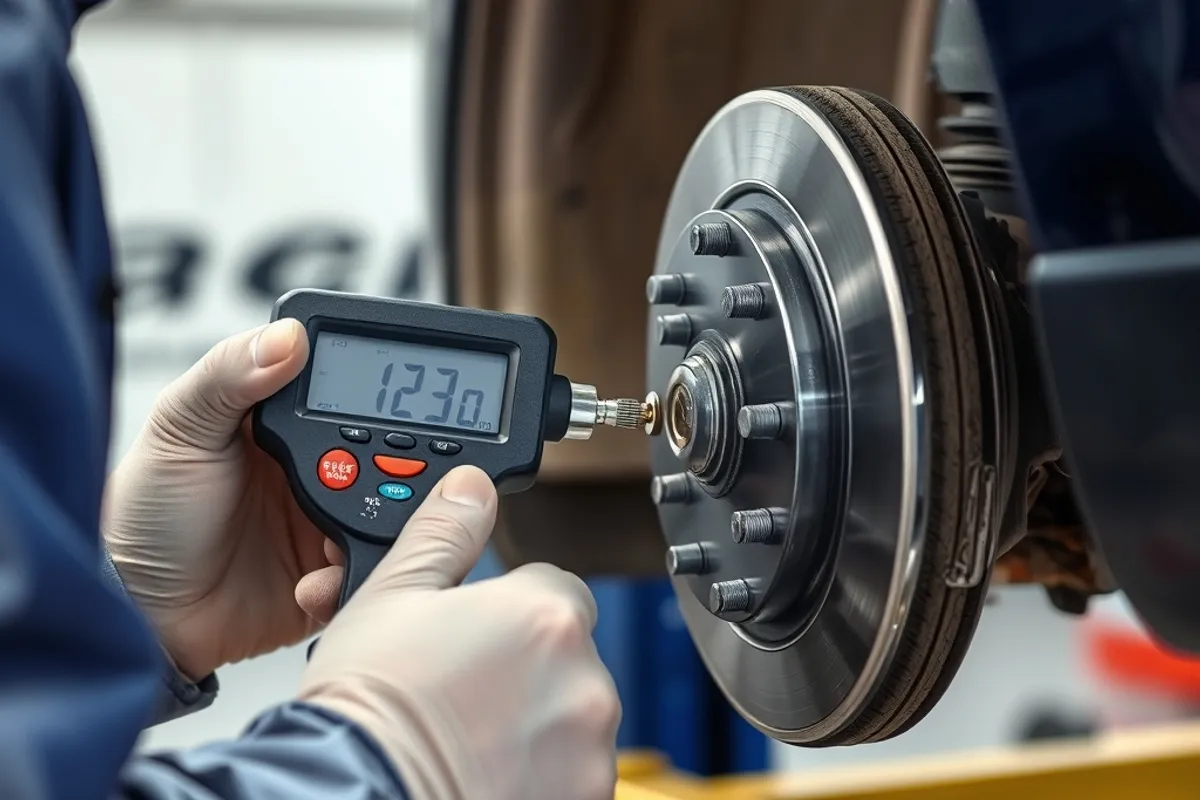
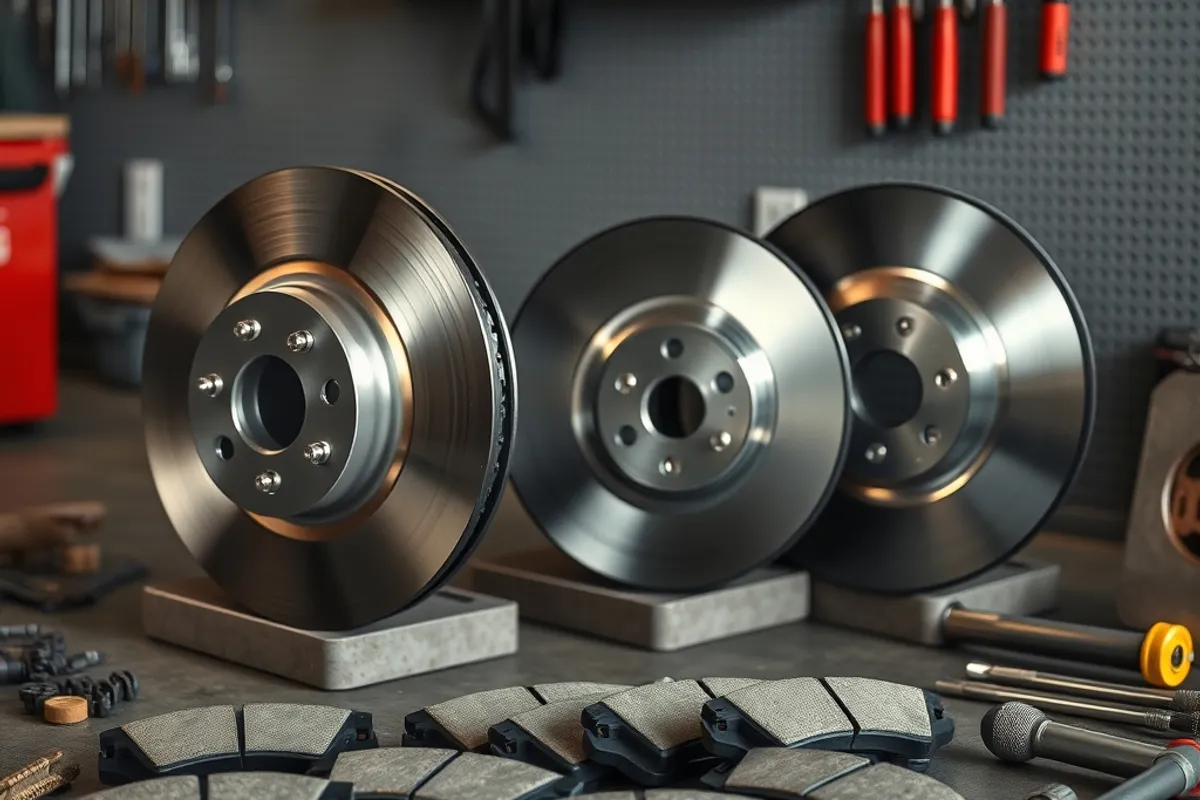
Rotors have a minimum thickness stamped on the casting. Machining can restore a surface, but only within that limit. Below it, the rotor must be replaced.
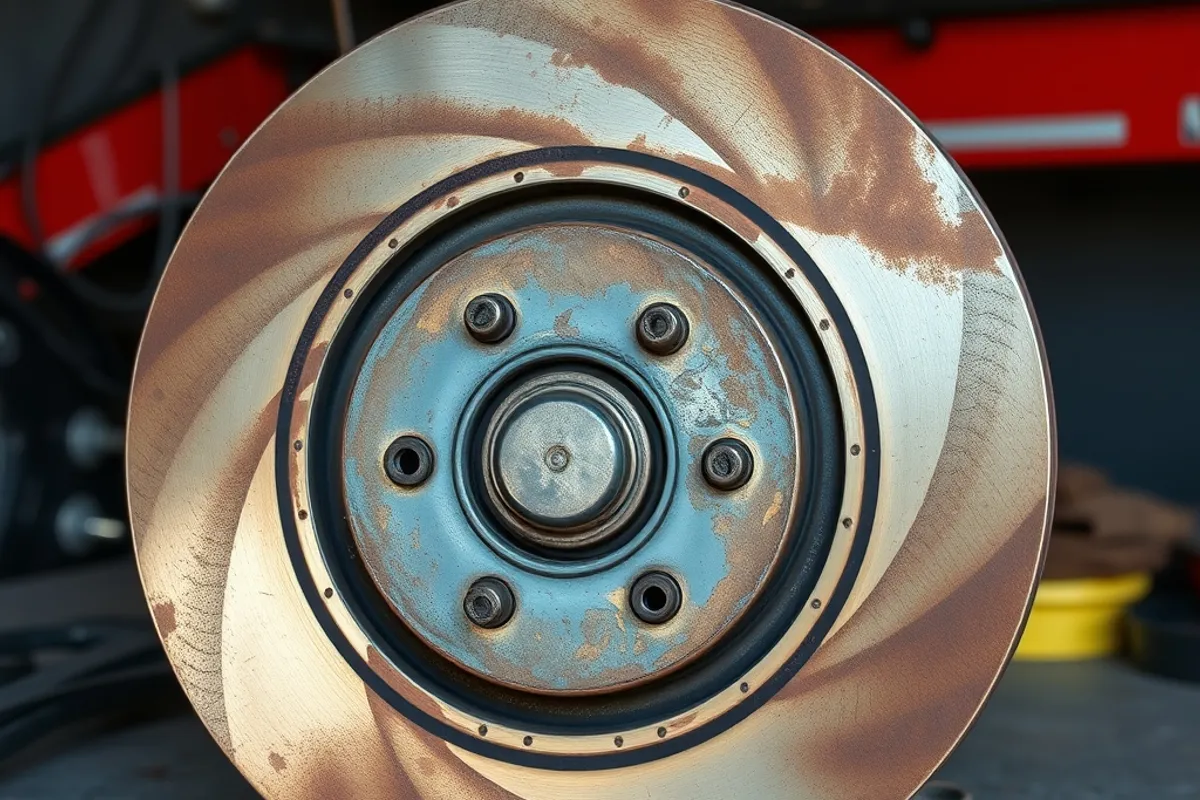
Deep grooves, heavy rust on the braking surface, heat cracks or a pronounced lip at the edge are reasons to replace. A light surface film after rain is normal and clears with use.
Pads and rotors together
New pads on worn, uneven rotors often squeal and wear quickly because they cannot bed in properly. Many manufacturers recommend replacing both as a pair on each axle.
Replacing one side only is a false economy. Braking force should be balanced, and mismatched friction can pull the car under hard stops.
Brakes do not fail politely. They warn you first, and most warnings are cheap to act on.
Calipers, hoses and fluid
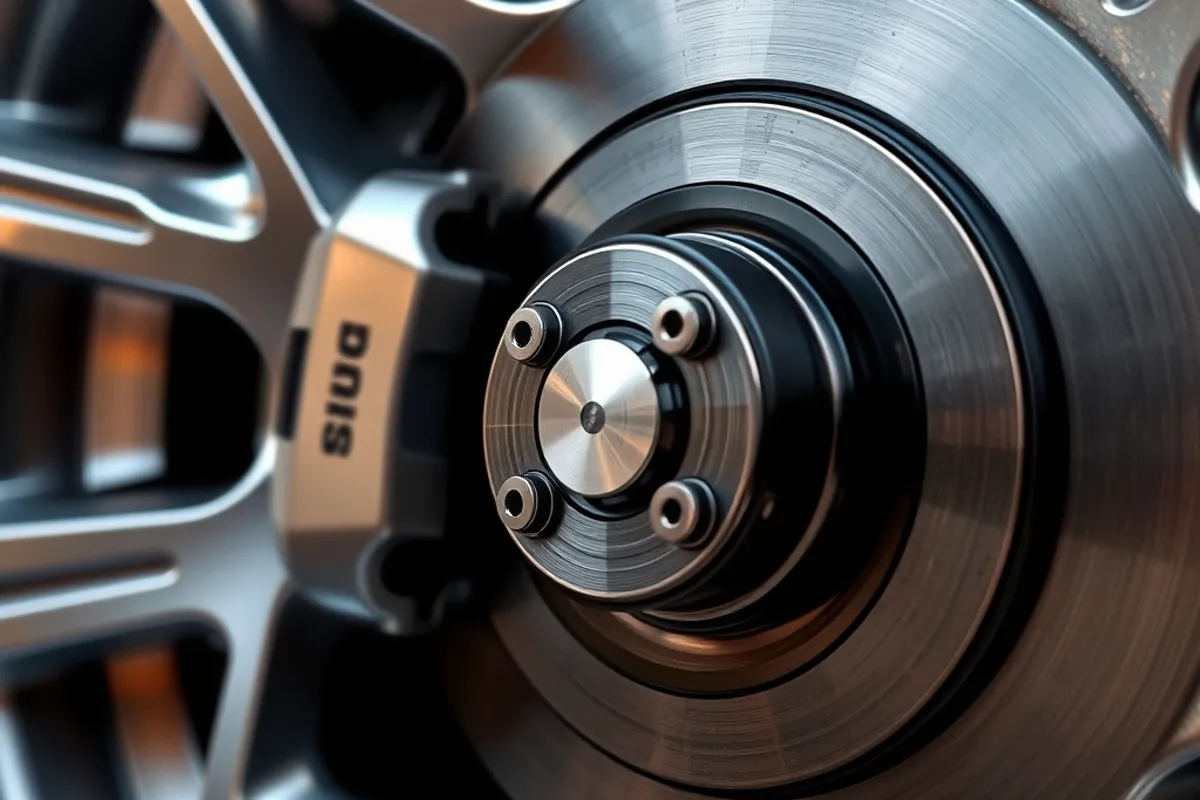
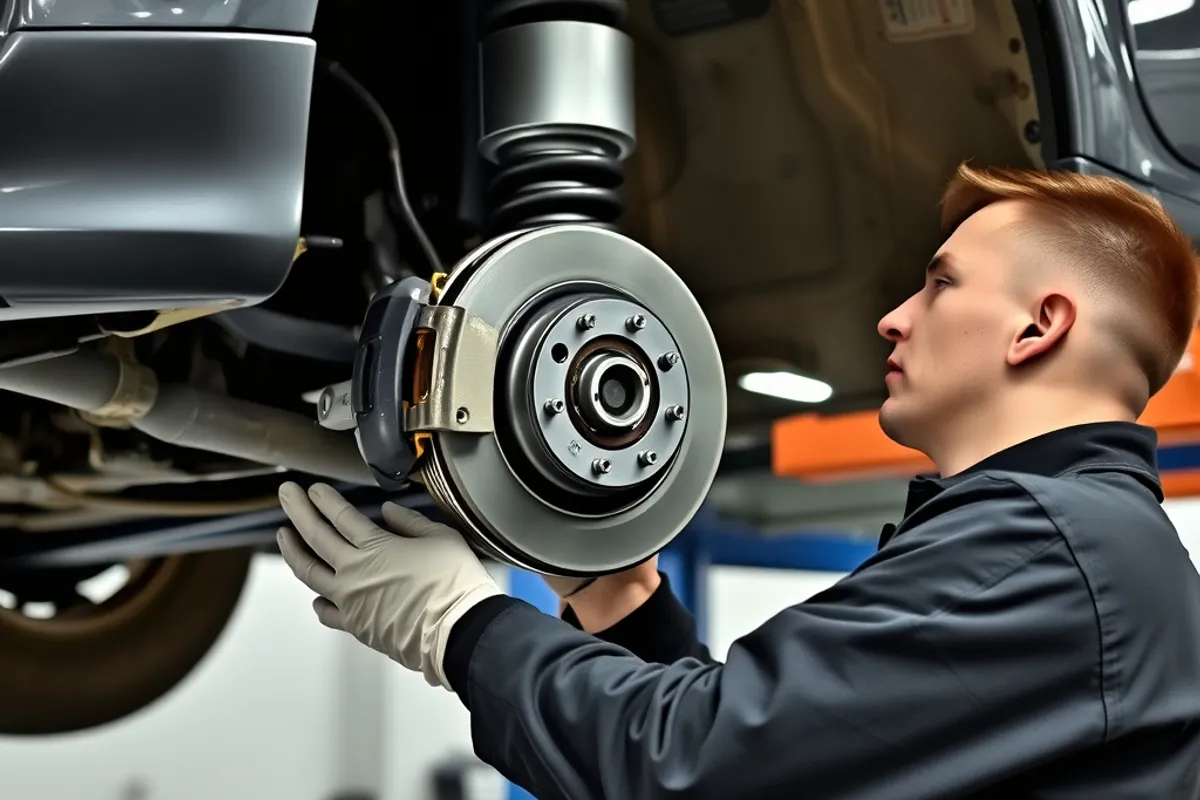
The caliper must slide freely and the piston must retract smoothly. A seized caliper overheats the disc, glazes the pad and can drag the car to one side.
Brake fluid is hygroscopic, meaning it absorbs water. Contaminated fluid lowers the boiling point and corrodes internals, so test or replace it at the interval in the handbook.
How to judge a quote
Ask for pad measurements in millimetres, rotor thickness and a note on caliper condition. A quote that lists parts without measurements is hard to evaluate.
Compare the total with the cost of a second inspection if you are unsure. Brake work is safety-critical, but urgency should be justified by evidence rather than a sales script.
Bedding in and long-term care
Follow the manufacturer bedding procedure after replacement. Typically this means a series of moderate stops from speed, spaced out to let the brakes cool, avoiding heavy stops for the first few hundred kilometres.
Wash brake dust off wheels regularly and have the system inspected at every service. For official safety guidance, see NHTSA.